AFR Chief Emily Jaramillo proposed a staffing change she said would reduce burnout and get more paramedics to more calls, more quickly.
ALBUQUERQUE, N.M. — A yearlong dispute inside Albuquerque Fire and Rescue over how to handle a nationwide paramedic shortage has finally reached a resolution—clearing the way for a major shift in how the department staffs its rescues and engines.
The tension centered on a key question: how to maintain fast, high‑quality emergency response when the pool of trained paramedics continues to shrink.
AFR Chief Emily Jaramillo proposed a staffing change she said would reduce burnout and get more paramedics to more calls, more quickly. After months of negotiations between AFR leadership, the firefighters union, and city officials, the Albuquerque City Council has now approved the plan.
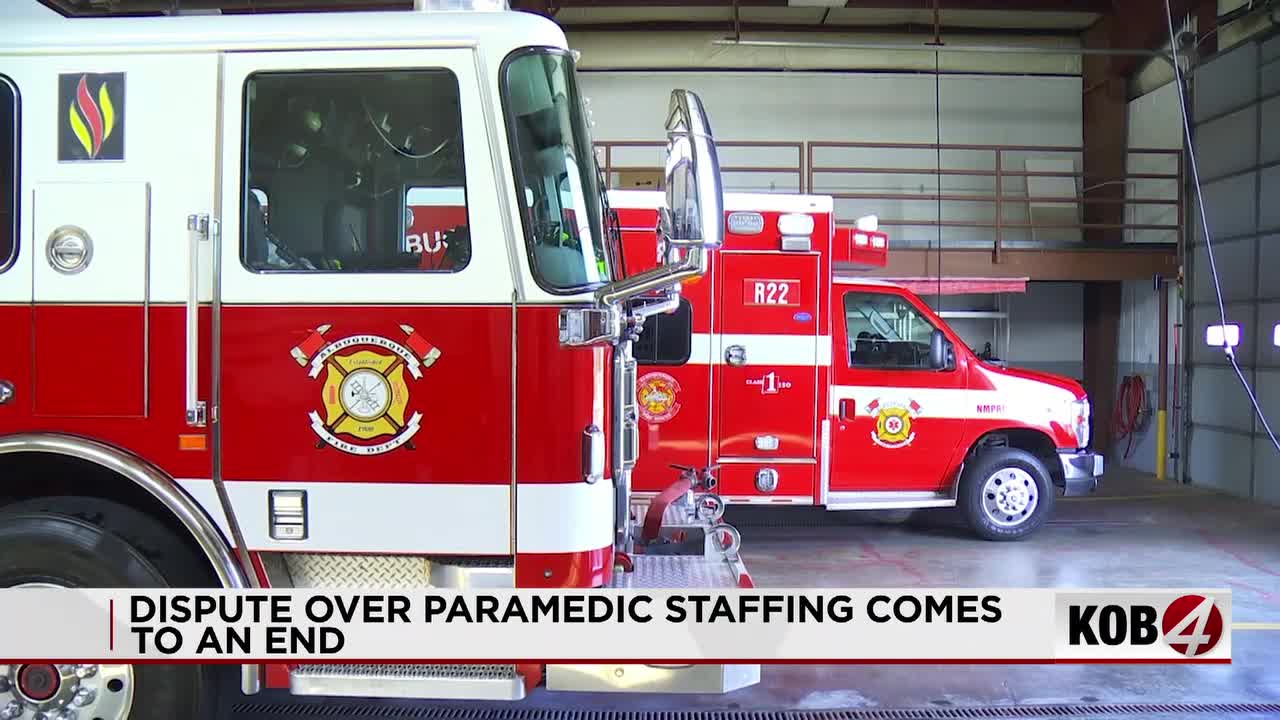
AFR currently staffs each rescue unit with two paramedics, while engines carry four EMT‑Basics. Under Jaramillo’s plan—often referred to as “splitting the rescue”—one of those paramedics would move to the engine, and one EMT‑Basic would move onto the rescue.
“The current staffing model for a rescue is two paramedics and then four EMT basics on the engine,” Jaramillo said. “I basically swapped one of those positions. I put a paramedic on the engine, and then one of the basics onto the rescue.”
The goal: spread out the department’s paramedics so more units on the street can deliver advanced life‑support care sooner.
Early results from five stations piloting the model have been encouraging.
“We’re seeing that we’re able to get paramedics to calls faster,” Jaramillo said. “The early data is very promising that this is a benefit to people when they call 911.”
Not everyone supported the change at first. The firefighters’ union raised safety concerns, arguing that paramedics should stick together during calls.
Jaramillo acknowledged the tension that came with proposing a major shift.
“Anytime you make a big decision that brings big change, you have to understand that it’s going to be split how that’s received,” she said.
Throughout the negotiations, both sides also addressed related issues tied to the paramedic shortage, including compensation. Jaramillo credited the union with helping secure stronger paramedic pay in the latest contract. Ultimately, compromise became unavoidable.
“A lot of times, parties walk away from a settlement where nobody is happy,” Jaramillo said. “Sometimes that means that’s a good thing—that we all compromised a little bit to get to where we’re at.”
Jaramillo said she intends to keep listening to frontline firefighters as AFR rolls out the staffing shift across the department.
“We need to continue to get the feedback from the firefighters, and then make a decision based off of that,” she said.
She emphasized that even amid the public dispute, AFR’s service to the community hasn’t wavered.
“We’re meeting our response times,” she said. “I just want the public to feel confident when firefighters show up that they are going to do the best work that they can.”
The firefighters’ union sent a statement to KOB 4 saying:
“The IAFF Local 244 is thankful that this legislation was reintroduced in its exact same form as when it was passed in 2016. This bill protects safe staffing for Fire apparatus and support divisions ensuring the City of Albuquerque’s citizens and guests receive the highest level of emergency response. It also ensures that staffing will increase based on the growth of the City and the Department. We look forward to working with every stakeholder to uphold this elite level of service while protecting the FFs who selflessly serve every day.”
- For Related Stories: Emily Faith