A regional geopolitical analyst has called on the Cambodian government to establish its own strategic oil reserves, warning that the country’s energy security is increasingly vulnerable as conflict intensifies in the Middle East.
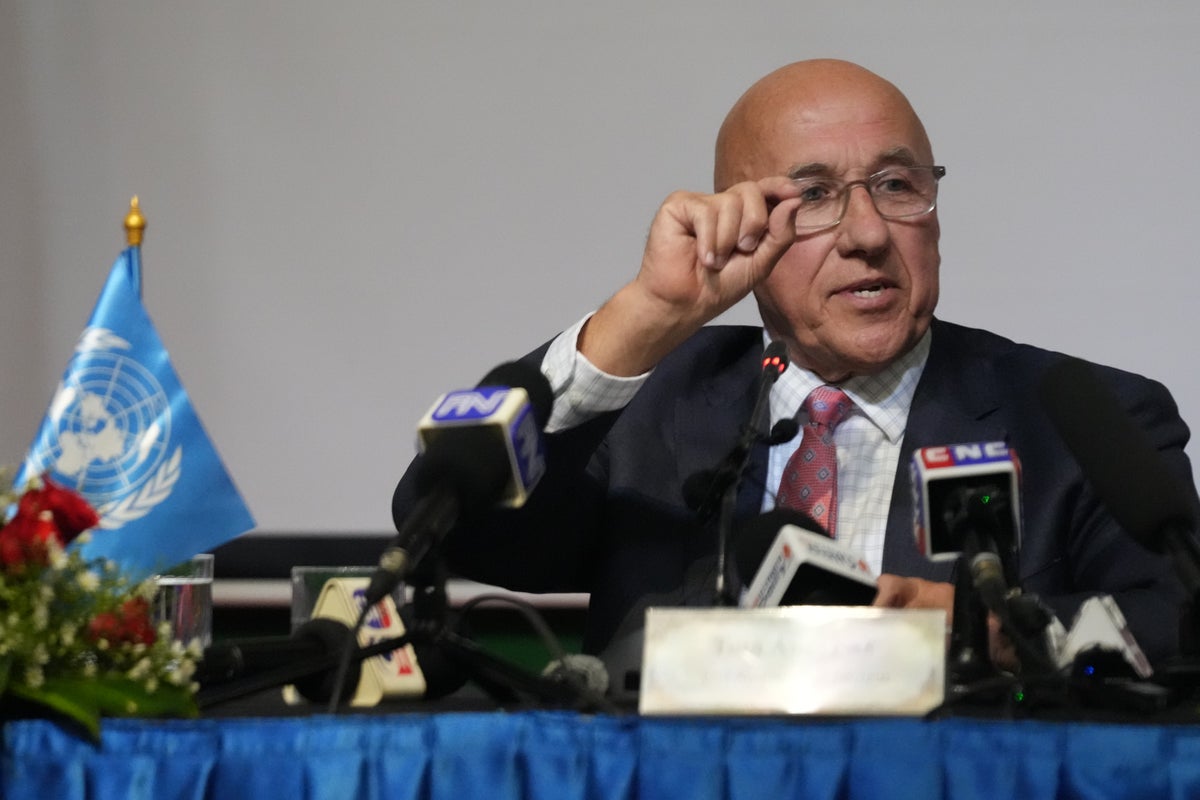
Seng Vanly, an Asia Pacific political analyst, wrote on Facebook late on March 2 that Cambodia should move quickly to safeguard domestic energy stability. He said the government needs to introduce key reforms to keep energy prices at reasonable levels, including simplifying procedures and removing taxes that hinder the expansion of solar power.
According to Seng Vanly, the Ministry of Mines and Energy should eliminate complex regulations that discourage solar investment, allowing the electricity market to become more flexible and responsive.
He also argued that Cambodia should create a national strategic petroleum reserve rather than relying solely on private companies. At present, he said, private firms can store fuel supplies for only 15 to 20 days. He added that the government should review electricity pricing to reflect new technologies that could reduce costs.
Seng Vanly described the current conflict involving Iran, the United States, and Israel as a wake-up call for Cambodia to strengthen its energy independence by managing oil reserves more effectively and expanding renewable energy use as rapidly as possible.
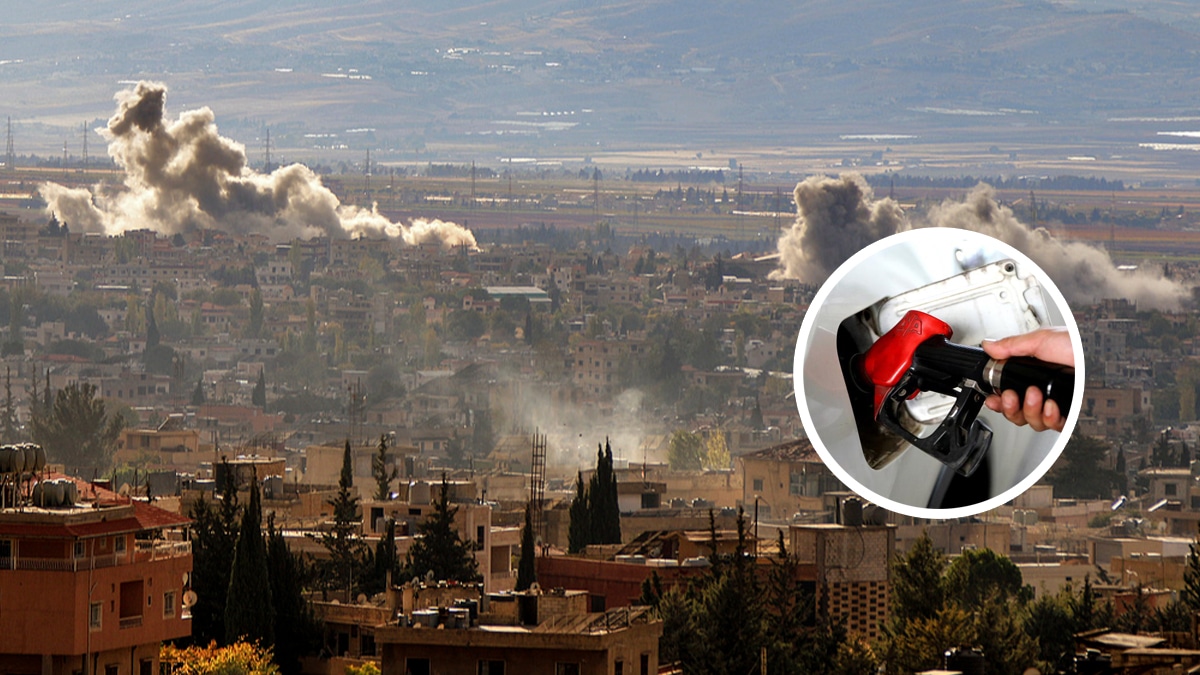
Reuters reported on February 28 that the United States and Israel had carried out strikes against Iran. Iran, in turn, launched attacks targeting eight countries in the region hosting American military facilities, including Bahrain, Iraq, Jordan, Kuwait, Oman, Qatar, Saudi Arabia, and the United Arab Emirates. The escalation has raised concerns about the safety of global oil shipping routes.
The Strait of Hormuz remains the world’s most critical oil transit chokepoint, linking major Gulf producers such as Saudi Arabia, Iran, Iraq, and the United Arab Emirates to the Gulf of Oman and the Arabian Sea.
On March 2, the Iranian state-linked media outlet CAN quoted Ebrahim Jabari, a senior adviser to the commander of Iran’s Revolutionary Guard, as saying that the Strait of Hormuz had been closed. He warned that Iran would target any vessels attempting to pass through the waterway.
Energy experts note that the strait serves as the only maritime gateway connecting vast Middle Eastern oil reserves to global markets. Around 20 percent of the world’s crude oil and 25 percent of liquefied natural gas exports pass through the corridor.
Southeast Asia is particularly exposed. More than 80 percent of the oil shipped through Hormuz is destined for Asian economies, including China, India, Japan, South Korea, and Taiwan, where it fuels factories and transport networks.
The Cambodia Daily said it had not yet been able to reach government spokesperson Pen Bona for comment by the time of publication.
As tensions in the Gulf reverberate across global markets, analysts say Cambodia faces mounting pressure to rethink how it secures the energy supplies that underpin its economic growth.