BY MFANUFIKILE KHATHWANE
MANZINI – Young Heroes has reaffirmed the central role of data-led decision-making and collaboration in improving community health outcomes.
This emerged following the successful convening of the Q1 FY26 RISE Data Review and Reflection Meeting at ALCON House on February 27, 2026.
The strategic meeting brought together implementing partners, technical experts, community cadres and government representatives to review performance, interrogate service-delivery barriers and align priority actions under the RISE Project.
The discussions underscored a shared commitment to using evidence to sharpen impact and expand access to essential health services.
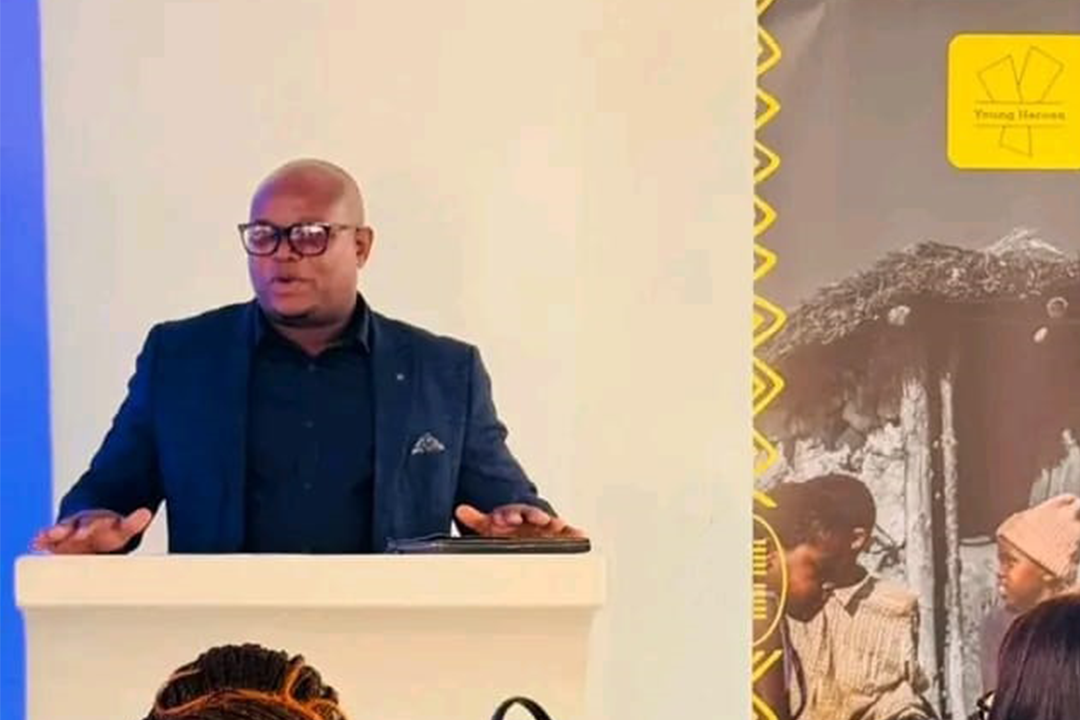
Opening the session, Young Heroes Executive Director Khulekani Magongo reflected on the organisation’s 20-year journey of service, highlighting how data-driven programming has been instrumental in sustaining community transformation. He emphasised that strong partnerships remain key to reaching underserved populations and ensuring lasting impact.
Partner organisation Jhpiego echoed this message, with opening remarks delivered by Makhosazana Matsebula on behalf of the Technical Director. She stressed the importance of strengthened collaboration, consistent data use and shared accountability in advancing programme outcomes.
The programme overview and RISE performance review were presented by Young Heroes Technical Director Sandile Ginindza, supported by technical advisors Zwakele Dlamini, Nobuhle Mthethwa and Themba Young. Presentations focused on Q1 FY26 results, highlighting successes, emerging challenges, best practices and key lessons, alongside progress in clinical outreach, referrals and the strengthening of bi-directional referral systems.
A major focus was the collaboration with The Luke Commission, whose representative Anele Matsebula outlined community clinical service delivery experiences. Operational challenges and practical solutions were openly discussed, reinforcing the value of coordinated service delivery models.
One of the meeting’s highlights was the presentation of Evaluative Results from the Community Health-Based Programme Collaboration Pilot, which demonstrated measurable progress and strong potential for scale-up, signalling promising opportunities to broaden community-level health interventions.
Community cadre representatives added depth to the dialogue by sharing lived experiences from the field, offering grounded insights into implementation realities and barriers affecting service uptake. Their contributions ensured that data discussions remained firmly rooted in community needs.
To date, more than 400 000 children and youth have accessed social protection services, while over 300 000 have benefited from essential health services, including HIV testing, antiretroviral treatment, sexual and reproductive health services and PrEP.
The organisation has also supported over 100 000 children with education assistance such as school fees, uniforms and examination costs, and empowered more than 190 000 youth through economic livelihood initiatives, including vocational skills training, business development, savings and lending schemes.
Closing government remarks were delivered by Harriet Mamba from the Ministry of Health Eswatini, who reaffirmed government’s commitment to addressing systemic bottlenecks and improving access pathways through continued partnership.
The meeting concluded with a shared understanding that data informs direction, partnerships strengthen delivery, and communities shape impact a message aligning with the RISE Project’s goal of achieving sustainable, people-centred health outcomes across the country.
#RISEProject #YoungHeroes20Years
Post Views: 89