Foni Bintang NAM Bakary Badjie Turns Presidential Aspirant
By Binta Jaiteh
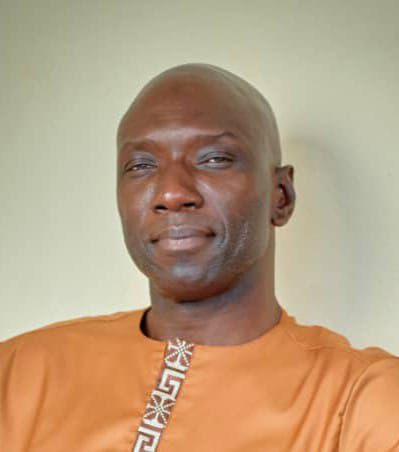
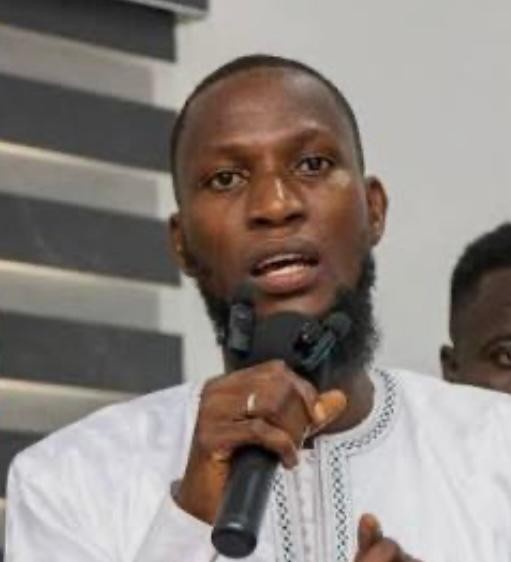
The Lawmaker of Foni Bintang Karanai, Hon. Bakary Badjie, a qualified teacher turned politician, has officially declared his candidacy for the 2026 presidential elections.
An independent member of the National Assembly (NAM), Hon. Badjie is known for his outspoken stance on governance issues and his active participation in parliamentary debates. His ability to engage constructively with colleagues across political divides has earned him respect in both government and opposition circles.
In a detailed interview with The Voice, Hon. Badjie spoke candidly about his decision to contest the presidency, the challenges facing his constituency, the phenomenon of independent NAMs switching party allegiances, the current economic climate, and other pressing national matters.
Q: What motivated you to contest for the upcoming presidential elections?
A: Several factors influenced my decision. Before entering parliament, I witnessed firsthand the challenges that confront our country. As a patriotic youth who has always been committed to the protection of human rights, I felt a responsibility to contribute to national development. The president operates within the framework of laws created by parliament, and the judiciary functions under those same laws. Therefore, it is essential that parliament remains independent, able to craft legislation without fear or favor. I want to ensure that governance in this country respects the rule of law while promoting socio-economic development for all Gambians.
Q: As a representative, what role have you played to gain the confidence of your constituency?
A: My approach in the constituency has been proactive and hands-on. I consistently engage with residents, listen to their concerns, and advocate for their interests in the National Assembly. Electors value qualities such as respect, empathy, and integrity. I have worked hard to demonstrate these qualities, which has earned the trust and confidence of the people I serve. Initiatives in education, health, and local infrastructure have also helped strengthen my relationship with the community, ensuring that constituents feel their voices are being heard.
Q: On human rights violations and unlawful arrests, what advice would you give the government?
A: The government has no right to detain citizens unlawfully. Its primary responsibility is to ensure the welfare and security of the people. Unlawful arrests and violations of civil liberties erode public trust and can destabilize governance. It is critical that law enforcement operates transparently and within the law, and that citizens’ rights are respected at all times.
Q: What is your assessment of the country’s current situation?
A: The situation is concerning. Citizens are struggling with skyrocketing prices, particularly in education, healthcare, and essential commodities. At the same time, incidents of unlawful arrests, robbery, and violent crimes appear to be on the rise. The government must urgently address these issues. Public safety is a fundamental prerequisite for national development, and failure to maintain it can have long-term consequences on social cohesion and economic growth.
Q: How do you view the atmosphere in the National Assembly regarding governance?
A: The National Assembly faces significant challenges in defending the people’s interests. Independence has been compromised by political interference, which weakens the effectiveness of governance. It is particularly concerning that the Assembly has failed to hold adjournment debates over the past nine months, reflecting a lack of readiness to engage in meaningful national development. For democracy to thrive, lawmakers must exercise their mandate with diligence and courage.
Q: What efforts are being made by Parliament to retable the draft constitution?
A: There have been multiple debates on the draft constitution, costing millions of dalasis, yet yielding little tangible progress. A modern constitution is essential—one that removes outdated or draconian laws and reflects contemporary Gambian values. Unfortunately, the current sixth legislature has achieved far less than its predecessor in this area. We need a renewed commitment to constitutional reform to ensure that the rights of all citizens are protected.
Q: What is your view on the recent cross-carpeting of Hon. Jammeh to the National People’s Party (NPP)?
A: The defection of NAMs to the NPP, especially those who were critical of government policies, is concerning. As elections approach, such moves raise questions about political credibility and motivations. This trend undermines the confidence that citizens place in independent members and weakens the opposition’s ability to hold the government accountable.
Q: Do you think Gambians can trust independent NAMs given this trend?
A: With frequent cross-carpeting, public trust in independent candidates is at risk. Citizens may find it difficult to support candidates who appear to shift allegiance based on political convenience rather than principles. For the health of our democracy, it is crucial that elected representatives maintain their integrity and remain committed to the mandates on which they were elected.
Q: Why do you think this is happening, particularly in a government-dominated parliament?
A: Many of these decisions are driven by fear—fear of losing in the upcoming elections. However, faith is key. What Allah has destined will happen. Gambians need representatives who are not swayed by personal political survival but are committed to serving the public interest with courage and conviction.
Q: Many critics of President Barrow have ended up supporting him. What is your view?
A: This is becoming increasingly common and worrying. Gambians trust parliament to act as a check on executive power. When critics abandon their principles and support the government, it undermines the credibility of our democratic institutions and slows national development. Lawmakers must remember that their duty is to the people, not to political expediency.
Q: What final message do you have for politicians?
A: I urge the government to prioritize the stability of our national currency. The depreciation of the dalasi has created numerous domestic and international challenges. As a representative and concerned citizen, I challenge both the government and the Central Bank to take urgent measures to stabilize the currency. Economic stability is a prerequisite for development, and it must be treated with the urgency it deserves.
Hon. Bakary Badjie’s announcement marks a significant moment in Gambian politics, with his campaign emphasizing transparency, constitutional reform, economic stability, and respect for human rights. As the 2026 elections approach, Gambians will closely watch whether his message resonates with the electorate, particularly amid growing concerns over cross-carpeting and the credibility of political institutions.
The post GUEST OF THE WEEK appeared first on .