Overview:
A growing dispute in the Palau Senate is raising questions about constitutional authority, transparency and the balance of power. Senator Rukebai Inabo is challenging how two key cabinet nominations have been handled, arguing that committee actions prevented the full Senate from exercising its duty to vote.
By: L.N. Reklai
KOROR, Palau (Feb 17, 2026)— Senator Rukebai Kikuo Inabo is challenging how the Senate has handled two of President Surangel Whipps Jr.’s key nominees, saying her colleagues have sidestepped the Constitution’s “advice and consent” duty by blocking full Senate votes and mischaracterizing the record in committee reports.
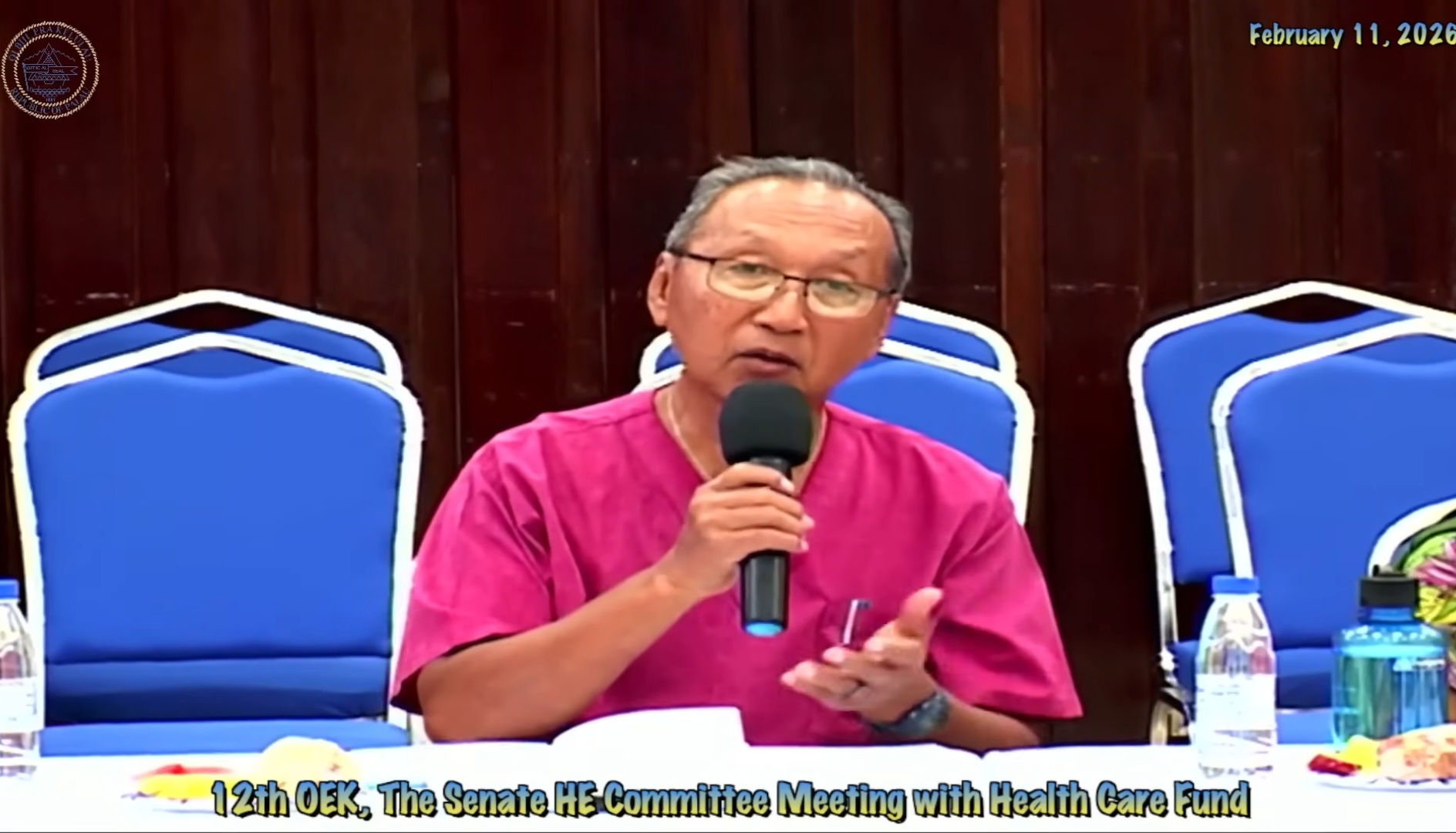
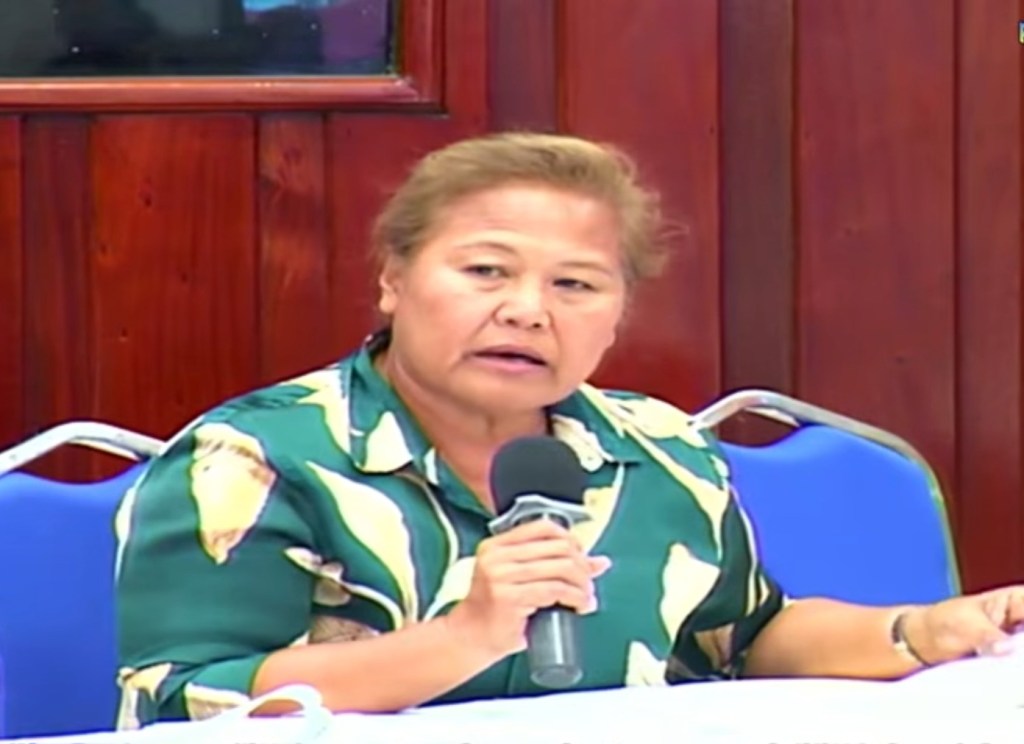
Senator Inabo questions Senate leadership decisions on the reappointments of Kaleb Udui Jr. for the Ministry of Finance and Dr. Dale Jenkins to Ministry of Education.
Her objections focus on the repeated reappointments of Finance Minister nominee Kaleb Udui Jr. and Education Minister nominee Dr. Dale Jenkins, both of whom have been submitted several times and have yet to win confirmation.
Inabo says Senate is being shut out
In a February 13 letter co‑signed with three other Senators, Inabo argued that recommendations to take “no further action” on Senate Resolution 12‑66 (Udui) and a committee letter declining to reconsider Senate Resolution 12‑65 (Jenkins) effectively denied all Senators their right to vote.
She said the Constitution’s advice‑and‑consent clause means cabinet appointments must be decided by the Senate as a whole, through formal votes in session, not by a committee recommendation or a single chairman’s letter.
The senators asked the Senate presiding officers to seek a legal opinion on whether a committee report or chair’s letter can be used to block a floor vote and requested that both resolutions be brought to the floor “as mandated by law.”
Dispute over Udui report
Separately, in a February 4 letter to Ways and Means and Financial Matters (WMFM) Committee Chairman Senator Mark Rudimch, Inabo asked for major changes to the draft committee report on Udui’s nomination and for a neutral recommendation that would allow Senators to “vote one’s conscience.”
She said Palau urgently needs a confirmed Finance Minister and described Udui as one of the most qualified people available, arguing that politics should not block his appointment if concerns can be fairly addressed in the confirmation process.
Inabo challenged several of the report’s key findings, including its description of Udui’s past refusal to answer questions under oath, its treatment of tax exemptions linked to a solar power project, concerns over a digital currency initiative, and criticism of payments made to the Asian Development Bank for the Koror‑Airai Sewer Project.
She also questioned why sworn testimony was being demanded from Udui when it has not been routinely required of other ministerial nominees, saying the report should explain why he is being held to a different standard.
Rudimch: Committee acted within its powers
Rudimch rejected Inabo’s constitutional complaint, saying her allegation that the committee’s action was unconstitutional “is misplaced” and distracts from the “central issue” — Udui’s refusal to meet the committee’s transparency and accountability requirements.
He said the Senate’s advice‑and‑consent role includes the power to seek information, judge credibility and decide whether a nominee has met the standards required for high office, and that the WMFM Committee’s actions fall “squarely” within that mandate.
“A nominee’s failure, in this case of Mr. Kaleb Udui Jr., to provide requested information does not constrain the Senate’s authority; rather, it impedes the Senate’s ability to fulfill its constitutional duty,” Rudimch said, adding that declining to confirm under those circumstances is “a legitimate exercise of legislative oversight.”
Responding to questions about why the nomination was not brought to the floor, Rudimch said standing committees are delegated the authority to hold hearings, request information and decide if a nomination is complete enough to merit a recommendation.
He explained that, under Senate rules, a nomination does not automatically go to the floor without a committee report, and that committees serve as “gatekeepers” to ensure the Senate acts on a full record.
“If a nominee refuses to provide requested information necessary for proper evaluation, the committee is within its oversight authority to withhold a favorable report — or any report at all — until the record is complete,” he said, calling this a “procedural safeguard,” not a denial of floor consideration.
Rudimch also noted that Inabo signed the WMFM report on Udui with the notation “I do not concur,” and emphasized that the report was nonetheless a formal action of the full committee, which recommended “no passage” after Udui twice declined to comply with information requests.
Larger clash over process
The dispute reflects a rift in the Senate over how far committees can go in controlling nominations — and how strictly nominees must cooperate — before their names reach the floor.
Inabo frames the issue as one of constitutional rights for both Senators and nominees, while Rudimch frames it as a test of transparency standards and the Senate’s resolve to protect the integrity of the confirmation process.
Like this:
Like Loading…