Cambodian Prime Minister Hun Manet has firmly rejected any attempt to alter the Cambodia-Thailand border or to occupy Cambodian territory in violation of international law.
Speaking at a ceremony with top performing students on February 10, 2026, Hun Manet said the border between Cambodia and Thailand is an international boundary between two sovereign states, protected under international law and the Charter of the United Nations.
He stressed that Cambodia maintains an uncompromising position in defending its sovereignty and territorial integrity, both now and in the future. The government, he said, will use all available means consistent with international law to safeguard the country’s territory.
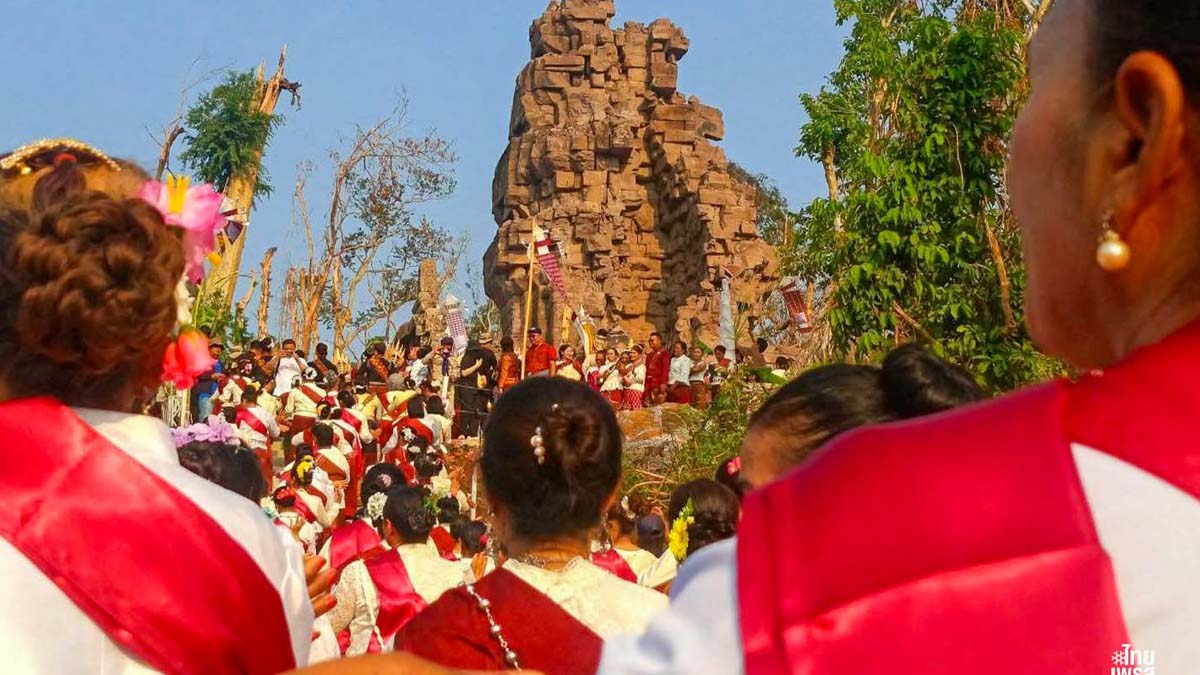
Hun Manet added that Cambodia has consistently sought to resolve border issues with Thailand through peaceful mechanisms, in line with international law and existing bilateral agreements signed by both sides. He made clear that Phnom Penh does not recognise any unilateral change to the border or any occupation of land carried out in breach of international law or through the use of force.
The remarks come amid renewed public debate over border tensions between the two neighbours.
On February 9, Sek Socheat, a development and research adviser, wrote on Facebook that Thailand would not forget what he described as violations of Cambodia’s sovereignty. He argued that Cambodia’s leaders and people across the political spectrum must unite to build a strong national capacity to defend the country’s territory.
Sek Socheat warned that Cambodia should not expect an aggressor to respect international law, nor assume that appeals alone would prevent territorial encroachment. He said history shows that invading powers do not respond to the pleas of victims.
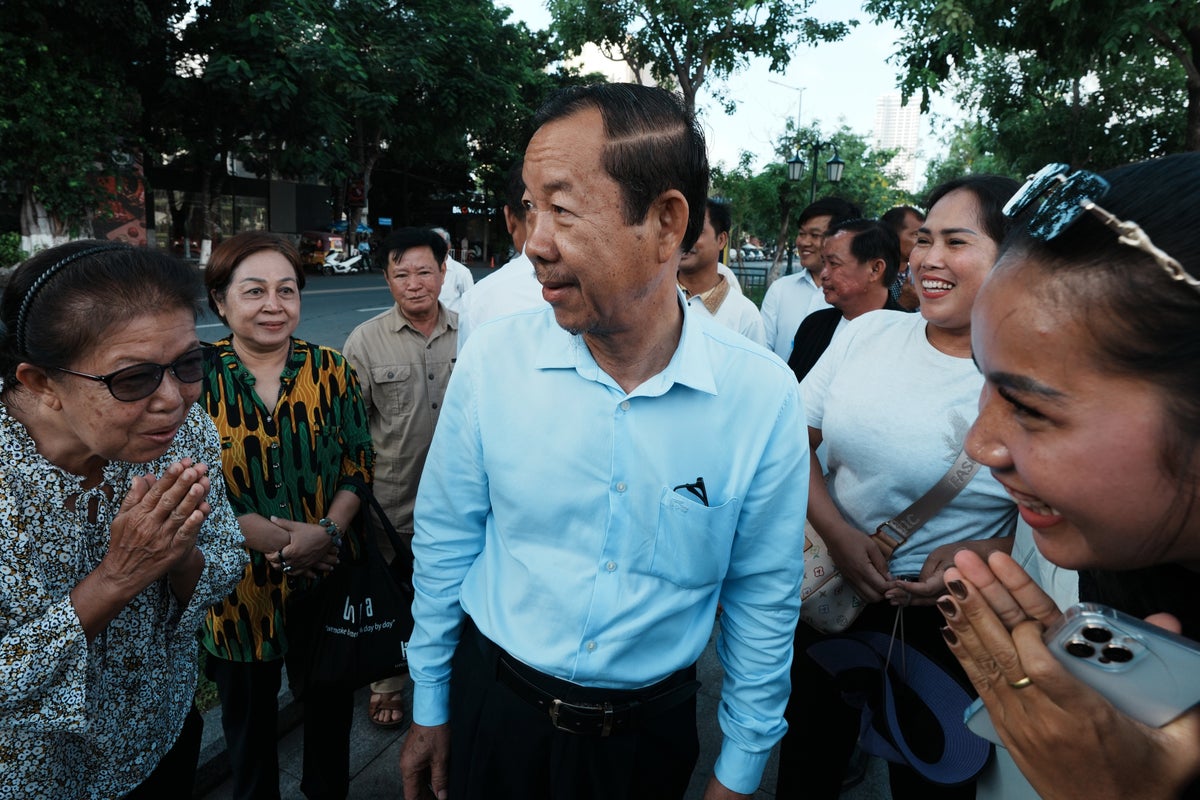
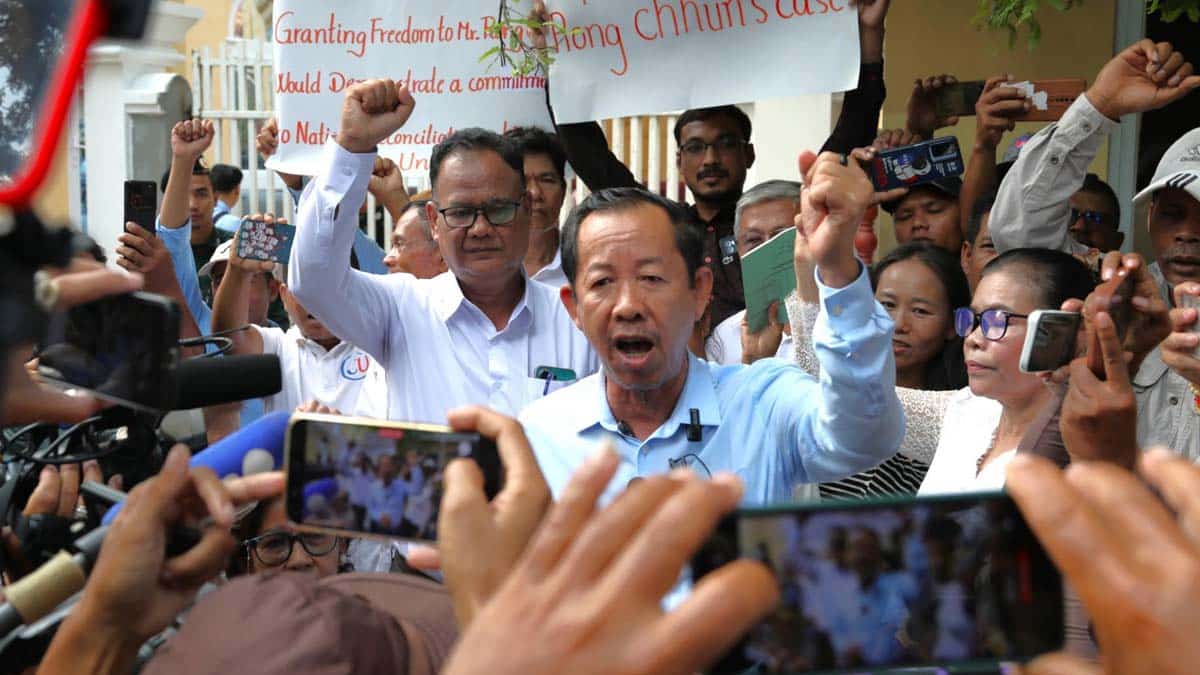
Meanwhile, former opposition lawmaker Suon Rida called on the government to release opposition leader Kem Sokha and other political prisoners. Writing on February 12, 2026, he urged national reconciliation so that all political forces could contribute to defending the country.
Suon Rida described Kem Sokha as a political leader who prioritises national interests and said that at a time of potential danger, unity among Cambodians is essential. Only through solidarity, he said, can the country effectively respond to external threats.
Tensions along the Cambodia-Thailand border have flared periodically over the years, often stirring strong nationalist sentiment on both sides. The latest statements underscore the sensitivity of the issue and its continued political significance within Cambodia.