The European Union and Turkey agreed Friday to keep working toward modernizing their customs union, a long-stalled goal Ankara says is urgent as the bloc signs new trade deals that can leave Turkish exporters at a disadvantage.
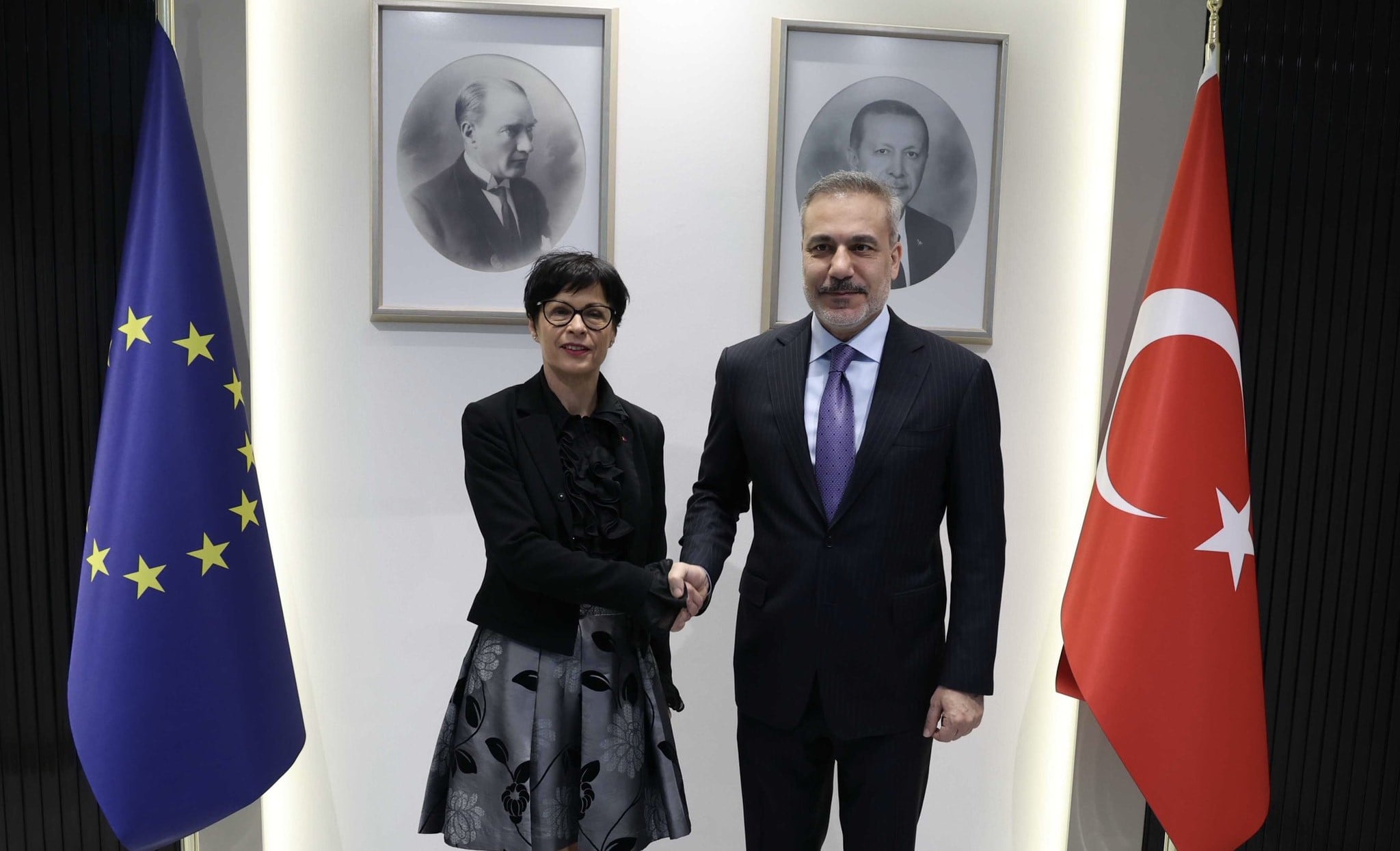
European Commissioner for Enlargement Marta Kos met with Turkish Foreign Minister Hakan Fidan in Ankara on Friday and issued a joint statement after the talks saying they would continue engagement to improve the implementation of the existing customs union and work toward paving the way for its modernization.
The statement said both sides “shared a willingness” to move toward an updated framework that would support competitiveness and economic security for both Turkey and the EU. It also said they welcomed the gradual resumption of European Investment Bank operations in Turkey and intended to strengthen cooperation with the bank on projects in Turkey and nearby regions.
Turkey has sought an upgrade for years to the EU-Turkey customs union, which entered into force in 1995 and allows most industrial goods to circulate tariff-free between Turkey and the bloc, its largest trading partner. The arrangement does not cover services, public procurement or most agricultural commerce, and it has been criticized in Turkey for tying Ankara to parts of the EU’s trade policy while leaving it outside negotiations with third countries.
The push comes as the EU expands its trade agenda with major third parties. Turkish critics of the current customs union say newer agreements of the bloc can deepen asymmetries because Turkey does not automatically benefit from them as it is not a EU member state.
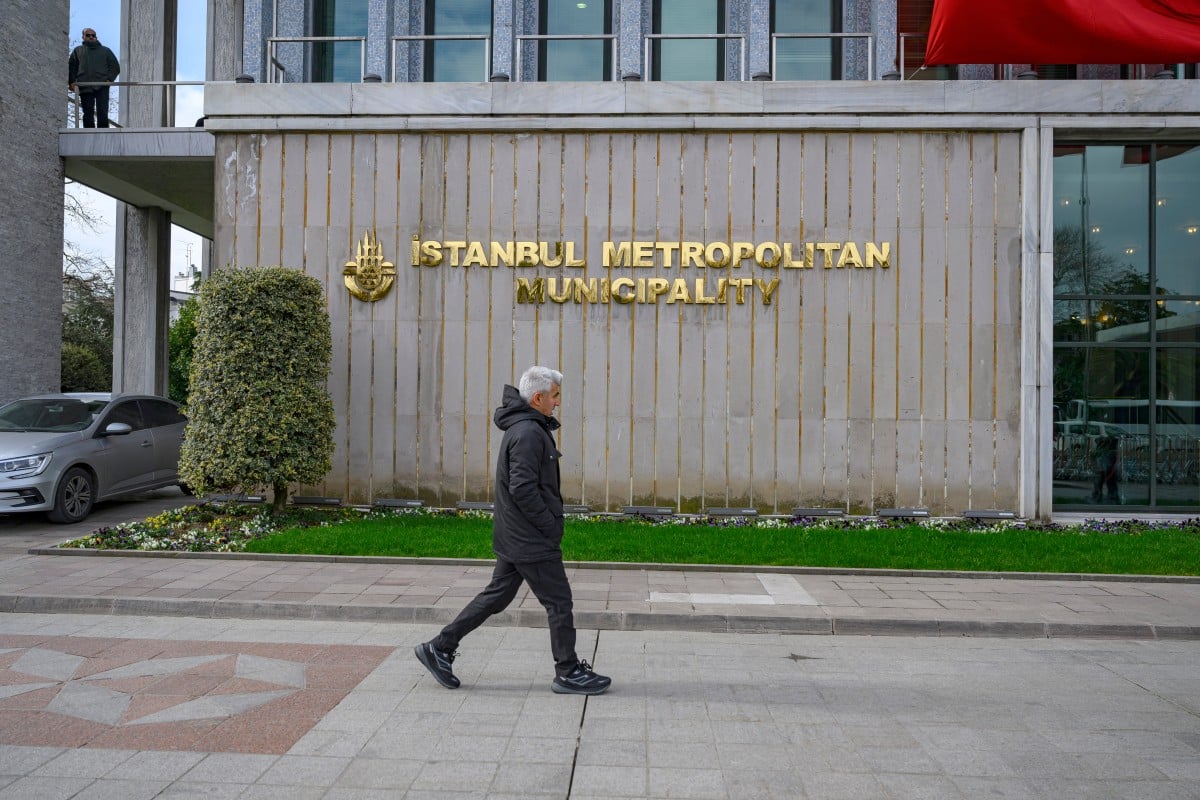
An upgrade of the customs union has support across Turkey’s political spectrum. Ekrem İmamoğlu, the jailed mayor of İstanbul and a leading opposition figure, published an open letter on Thursday urging EU leaders to move quickly to modernize the customs union, arguing that the current system harms Turkish industry and worsens structural imbalances.
İmamoğlu said democratic reforms would follow an opposition election victory and described an updated customs union as part of a broader reset in relations with the EU, including Turkey’s long-stalled membership bid.
Turkey has been an official candidate for EU membership since 1999 and accession negotiations began in 2005, but the process has largely frozen amid European Union concerns over democratic backsliding and rule of law issues in Turkey, along with disputes involving some EU member states.
Friday’s joint statement acknowledged Turkey’s candidate status and described the relationship as strategically important, pointing to regional stability and economic resilience during what it called a shifting geopolitical landscape. It said the two sides had recently engaged in several areas and aimed to translate that engagement into concrete steps.
The statement listed progress over the past year including five high-level dialogues, continued EU support related to refugees in Turkey and facilitated access to Schengen multiple-entry visas for Turkish citizens.
The EU has a so-called cascade regime for short-stay Schengen visas that can allow longer-validity, multiple-entry visas for Turkish nationals who meet certain prior-travel conditions, an effort EU officials have presented as easing travel for frequent, law-abiding applicants.
The statement also said Kos raised rule of law and democratic standards as an integral part of EU-Turkey relations and referenced the need to prevent the circumvention of EU sanctions.
Kos traveled to Ankara for two days of talks focused on regional stability, connectivity and trade and investment, according to the European Commission.
Turkish and European business groups have recently pressed the EU to unlock talks on a customs union update and to reconsider what they describe as an unproductive approach to Turkey’s accession process.