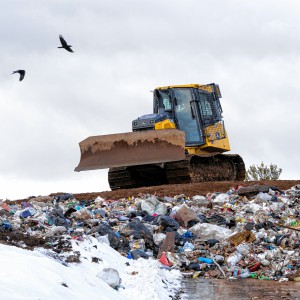
A new legislative push could allow landfill expansions to move forward across New Hampshire without giving towns or cities any power to stop them—a move environmental advocates say seems tailored for one particular landfill.
Sen. Kevin Avard, the prime sponsor of Senate Bill 593, said the effort aims to strengthen New Hampshire’s waste system while ensuring disposal remains adequate and reasonably priced for municipalities and businesses across the state.
“Expansion of existing landfills is the most efficient and environmentally responsible path,” Avard said on Tuesday. “This reduces environmental disturbance, avoids opening new sites, and leverages substantial prior investment.”
Under the bill, the state Department of Environmental Services would have exclusive authority to approve landfill expansions. Local governments, through ordinances or agreements, would no longer be able to block a state-approved project.
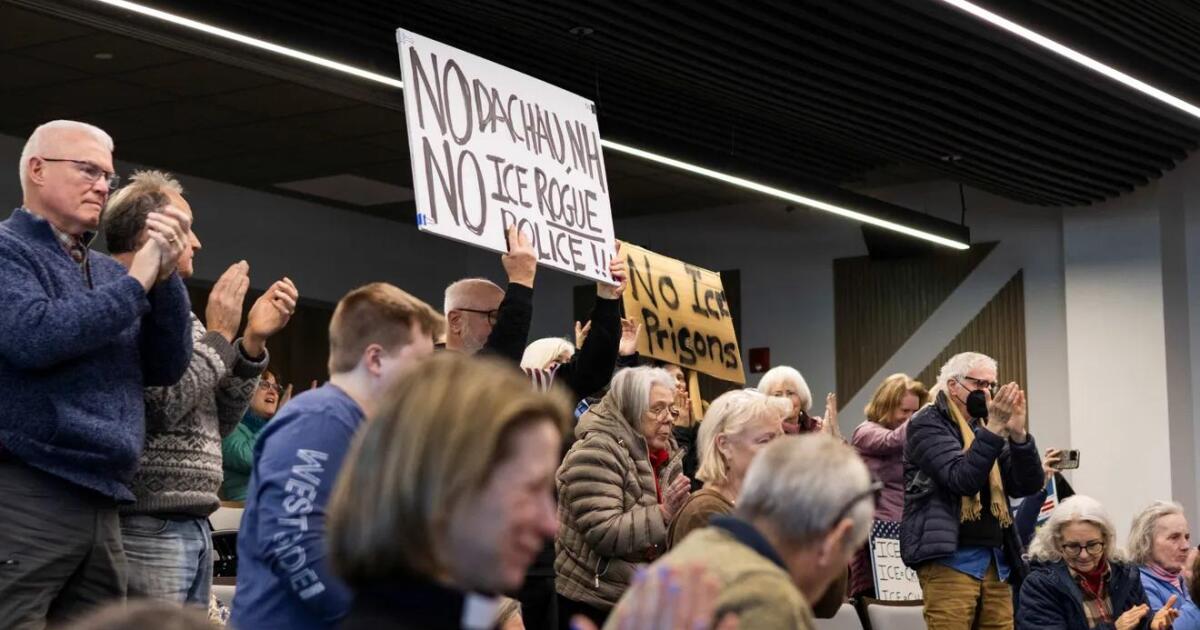
“Usurping local control, in our opinion, is an incredibly bad idea,” said Wayne Morrison, president of North Country Alliance for Balanced Change, a grassroots organization. “It goes against, in my opinion, some core values of what it is to live in New Hampshire in a democratic society.”
Bill for Casella?
For residents of Bethlehem, the stakes feel higher. The bill would primarily affect Casella Waste Systems’ landfill in town, run by subsidiary North Country Environmental Services, which was recently fined $1.9 million by the state to settle multiple violations. The company has been locked in a long-running dispute over expansion plans.
Many town officials and residents have opposed the landfill for several years, citing its harmful environmental impact on the surrounding community.
At a legislative hearing on Tuesday, Rich Southwell, a Bethlehem resident, called the bill an “enormous gift” to Casella.
The landfill is expected to reach full capacity by 2027.
The town had entered into a contract with the Vermont-based company back in 2011, agreeing that no further expansions would take place once the landfill reached its permitted capacity.
If passed, this bill could supersede that agreement.
“This bill is being proposed just in time for them to escape from a contract that they desperately want out of,” said Southwell. “They have been trying to get back into that town ever since they signed it.”
In January, after years of concerns from environmental advocates, the state imposed $1.9 million in penalties on Casella’s Bethlehem landfill for multiple violations of operational practices.
The Attorney General’s Office also said it was the largest fine ever imposed by the state for solid waste violations.
“Why in the world would we turn around and create an opportunity to help them expand in a facility when they’ve proven incapable of meeting our standards?” Morrison questioned.
New Hampshire has been making progress toward its disposal reduction goal. About 1.7 million tons of waste were disposed of in the state’s landfills in 2024, a decrease of approximately 10% from 1.9 million tons in 2022, according to the state’s recent report.
For many, this bill undermines efforts to reduce the amount of waste dumped in New Hampshire, especially out-of-state trash.
During the hearing, Avard defended the legislation and responded to critics.
“There are people out there that have been slandering not just me, but other people in the committee and that always puts my hackles up and it just pushes the wrong button on me,” said Avard.
While the bill drew strong opposition from environmental advocates and residents near landfills, it also received support.
Natch Greyes, vice president of public policy at Business and Industry Association of New Hampshire, said the bill will be “streamlining government process.”
“When there are two governments regulating one thing, we always urge the legislature to pick one; it generally works better because then we don’t have the possibility of conflicts in regulations and it makes things a little bit smoother,” he said.