Overview:
Koror State is taking steps to protect some of Palau’s most iconic fish. A new law introduces a $100 seasonal access fee for visitors to Bohar snapper and bumphead parrotfish spawning sites — with revenues going toward conservation, monitoring, and community education. The move also comes as Jellyfish Lake, once Koror’s top tourism draw, sees declining numbers and fewer permits sold.
By: L.N. Reklai
KOROR, Palau — Koror State has passed a new law that creates a $100 per person seasonal access fee for visitors who want to observe some of Palau’s most important fish spawning events. State leaders say the goal is to protect marine life, improve enforcement, and support long-term conservation — while also helping Koror manage growing pressure on its natural resources.
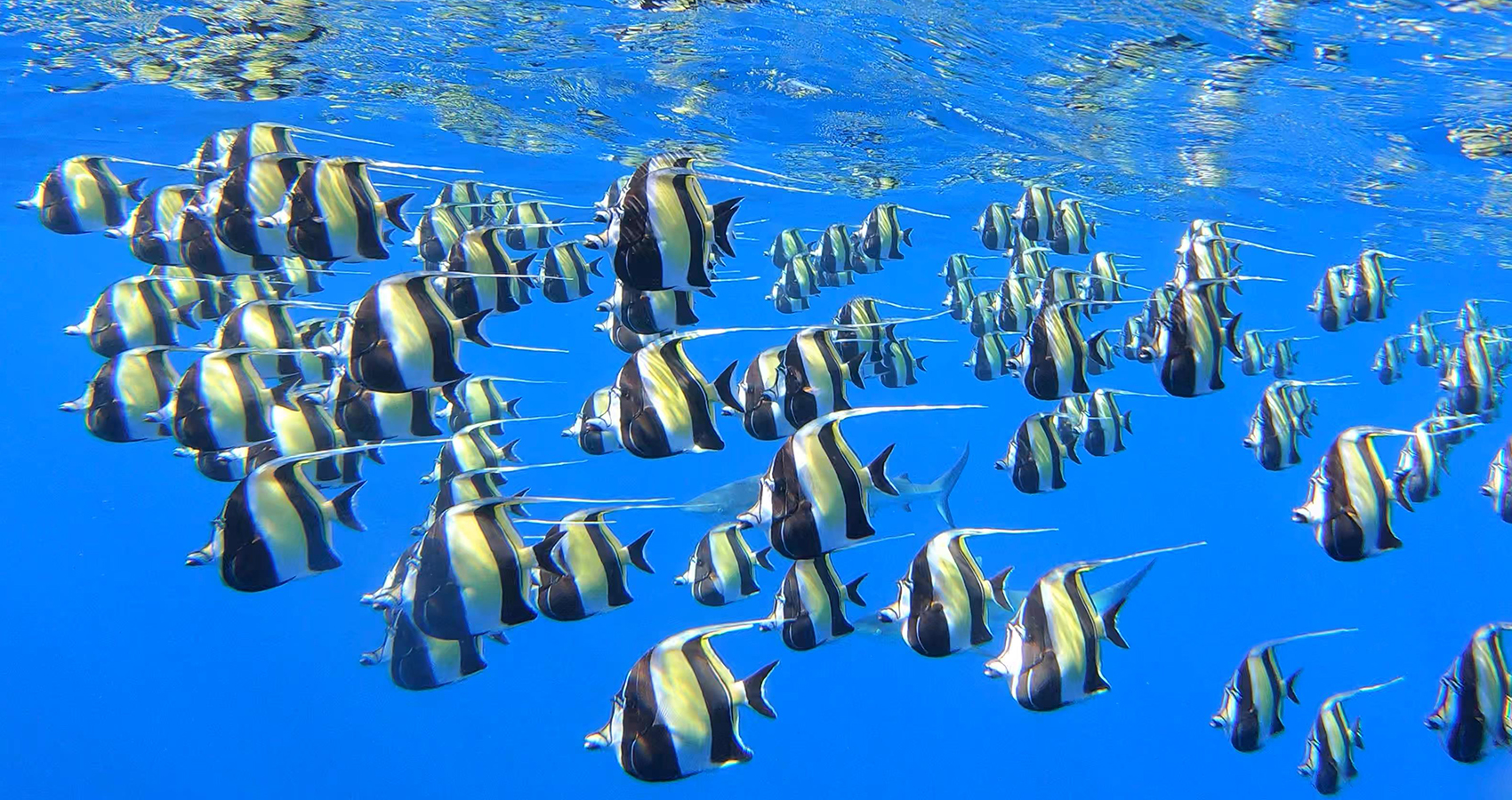
The new law focuses on two species: the Bohar snapper, known locally as kedesau, and the bumphead parrotfish, or kemedukl. These fish gather in large groups at certain times of the moon to spawn, or reproduce. Bohar snapper gather during the full moon, while bumphead parrotfish gather during the new moon, at specific sites in Koror waters.
These spawning events are considered rare and globally important. They help keep fish populations healthy and attract divers, snorkelers, researchers, and tourists from around the world.
Under the law, anyone diving, snorkeling, or taking part in other recreational or professional activities at designated spawning sites during these periods must pay a $100 per-person seasonal access fee. Palauan citizens, students approved by the Koror State Government, and approved scientific researchers do not have to pay the fee.
Money collected from the fee will go into a special fund. The law says the fund must be used for fish and habitat conservation, monitoring spawning sites, enforcing marine protection laws, community education, and other marine management programs in Koror State.
All visitors — including those who are exempt from paying — must follow marine protection rules and take part in activities under the supervision of an authorized operator. Operators must explain safety rules, ocean conditions, and proper behavior around spawning fish before entering the sites.
People who fail to pay the fee or break the rules can face fines of up to $500, additional penalties set by the Koror State Government, and possibly lose their access privileges if they repeatedly violate the law.
The access fee is not meant to last forever. The law includes a sunset clause, meaning the fee will end once the negative impacts from these activities no longer exist, or no later than June 1, 2035, unless the Koror State Legislature decides to renew it.
Before the law takes effect, the governor or a designated office must create detailed regulations. These rules will explain which sites are covered, how fees will be collected, how activities will be monitored, and what training operators must provide. The law will take effect six months after those regulations are finalized and published. Koror State must also review the program every year and report on whether it is helping protect the fish.
While the law is focused on conservation, some observers note that it may also help Koror address declining revenue from Jellyfish Lake, once the state’s most lucrative tourism attraction. Jellyfish Lake charges $100 per person to visit and has long been a major source of income for Koror. However, in recent years, the number of jellyfish has dropped due to environmental changes, leading to fewer permits sold and less revenue.
The new spawning site access fee may help supplement that loss by creating another source of conservation-based income, especially as tourism continues to recover.
Still, the law leaves several important questions unanswered. It does not explain how the $100 fee amount was chosen or whether it could change over time. It also does not clearly define how long each “seasonal” period lasts, which could make enforcement difficult.
The process for choosing which spawning sites are designated is also unclear, as the law does not require public consultation or explain what scientific standards will be used. In addition, while the law says the money should benefit the people of Koror, it does not set up a clear oversight group to decide how the funds are spent or to include community leaders, fishers, or tourism operators.
As Koror prepares to implement the law, many stakeholders are expected to look closely at the regulations that will follow. Those rules will likely determine whether the new access fee succeeds in protecting spawning fish, supporting communities, and helping Koror manage both conservation and revenue challenges.
Like this:
Like Loading…