(function(w,q)w[q]=w[q])(window,”_mgq”);
On 6 February, the European Commission proposed its 20th sanctions package against Russia, targeting Moscow’s energy revenues, banking system, and trade, with new restrictions worth over €930 million or about $1.1 billion. The proposal covers oil shipping, regional banks, digital payment evasion, and activates an anti-circumvention tool for the first time.
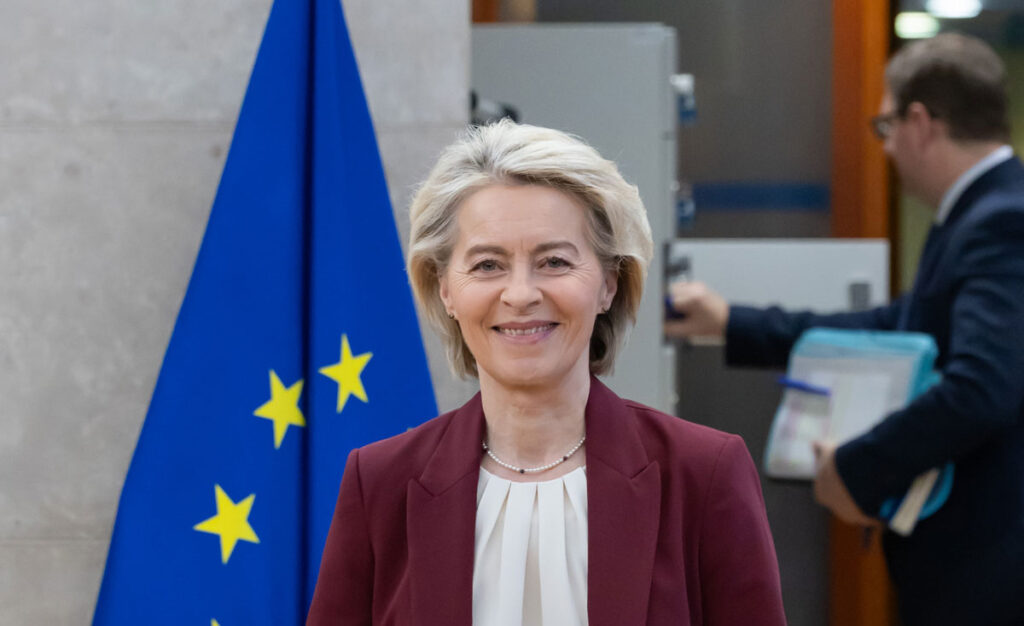
This comes as the US-brokered peace talks between Ukraine and Russian delegations took place in Abu Dhabi, while Russia continues its war in Ukraine. European Commission President Ursula von der Leyen said Russia would only negotiate seriously under pressure, and called on EU member states to endorse the package before the fourth anniversary of the full-scale invasion. The all-out war started on 24 February 2022.
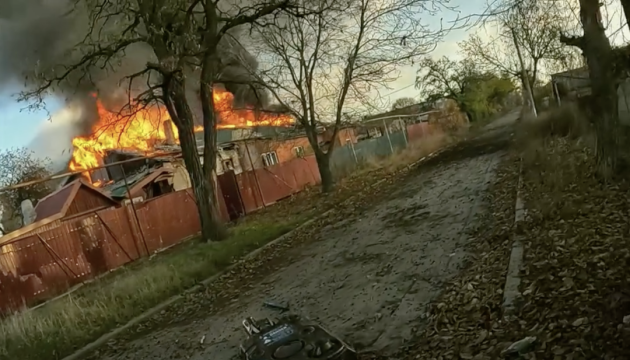
She noted that currently the Kremlin is “doubling down on war crimes” by deliberately striking homes, energy facilities, and heating systems—leaving entire communities without power in freezing temperatures, which is not “the conduct of a state seeking peace.”
Full maritime services ban on Russian crude oil
The package introduces a full ban on maritime services for Russian crude oil. Von der Leyen said the measure would “slash further Russia’s energy revenues and make it more difficult to find buyers for its oil.” The Commission proposes enacting the ban in coordination with like-minded partners after a G7 decision, given that shipping is a global business.
Brussels also proposes listing 43 more vessels as part of Russia’s shadow fleet, bringing the EU total to 640. Earlier, Ukraine’s Foreign Intelligence Service reported in December 2025 that over 1,100 tankers make up Russia’s shadow fleet globally—roughly one in six oil tankers worldwide.
Explore further
Baltic leaders call on Europe to claim its seat at Russia-Ukraine peace talks
The package adds restrictions on acquiring tankers for shadow fleet use and imposes sweeping on maintenance and other services for LNG tankers and icebreakers.
Crackdown on Russia’s banking system and crypto evasion
The Commission proposes listing 20 more Russian regional banks. The package targets cryptocurrency directly—going after companies trading digital assets and platforms enabling crypto trade. Von der Leyen called Russia’s banking system and its “ability to create alternative payment channels” its “weak point.”
The proposed measures also target banks in third countries that facilitate illegal trade in sanctioned goods. Moscow has increasingly turned to cryptocurrency and alternative payment channels since Western sanctions cut Russian banks off from SWIFT.
Explore further
EU’s Kallas: Western pressure on Ukraine helps Russia secure demands it never won on the battlefield
Trade restrictions worth nearly €1 billion
New export bans cover goods and services from rubber to tractors and cybersecurity services, worth over €360 million. The Commission also proposed import bans on metals, chemicals, and critical minerals not yet under sanctions, worth over €570 million. Further export restrictions target items and technologies used for Russia’s battlefield effort, including materials for producing explosives.
Anti-circumvention tool activated for first time
For the first time, the Commission proposed activating its anti-circumvention tool. The measure would prohibit exports of any computer numerical control machines and radios to jurisdictions with a high risk of re-export to Russia.
The step addresses a persistent weakness in the sanctions regime: Ukrainian intelligence has catalogued more than 5,000 distinct foreign components across nearly 200 Russian weapon systems.
Explore further
Lavrov’s Soviet playbook in Abu Dhabi: Russia frames itself as America’s equal to cut Europe out of Kyiv-Moscow talks
Russia’s economy under growing strain
Von der Leyen pointed to Russia’s deteriorating finances as evidence that sanctions work. Russia’s fiscal revenues from oil and gas dropped 24% in 2025 compared to the previous year—the lowest level since 2020—widening Moscow’s fiscal deficit.
“This confirms what we already knew; our sanctions work,” von der Leyen said. She added the EU would continue using them “until Russia engages in serious negotiations with Ukraine for a just and lasting peace.”
Read also
-
France working on new EU sanctions against Russia after more strikes on civilians, Macron says
-
Why Russian LNG keeps flowing despite EU ‘bans’ (INFOGRAPHICS)
-
Serbia’s Vučić says Russian-owned Serbian refinery to fire up again mid-month
(function(w,q)w[q]=w[q])(window,”_mgq”);