We break down complex business news to help you understand how money moves in Chicago and how it affects you.
The Illinois Hispanic Chamber of Commerce on Thursday launched an initiative to help small businesses and neighborhoods in the Chicago area recover from the effects of raids by federal immigration agents.
Its Resilient Communities Initiative offers businesses grants of $1,500 to $5,000; ‘shop local’ campaigns to boost business in affected neighborhoods; and resources such as webinars for entrepreneurs. IHCC’s small business advisers are also offering support to owners and employees.
“The terrible disruption to the personal lives and small businesses in our communities began in 2025 and continues into 2026,” Jaime di Paulo, CEO of the Illinois Hispanic Chamber of Commerce, said in a news release. “We have joined the many voices across our city and region calling for an end to unfair enforcement actions and disruption of our immigrant communities.”
IHCC Foundation’s grants aim to help affected businesses cover immediate expenses. First donations will be awarded the week of March 2. Anyone can donate to the grants fund.
IHCC’s ‘shop local’ campaign aims to bring people to affected neighborhoods through in-person events and online campaigns. The first event will be Feb. 11 in Brighton Park on S. Archer Avenue. It includes a guided neighborhood tour and lunch reservations at D’ Nuez Restaurant.
The initiative’s resource page offers an upcoming Know Your Rights Webinar. The website also features legal, business and financial tools to support small business owners.
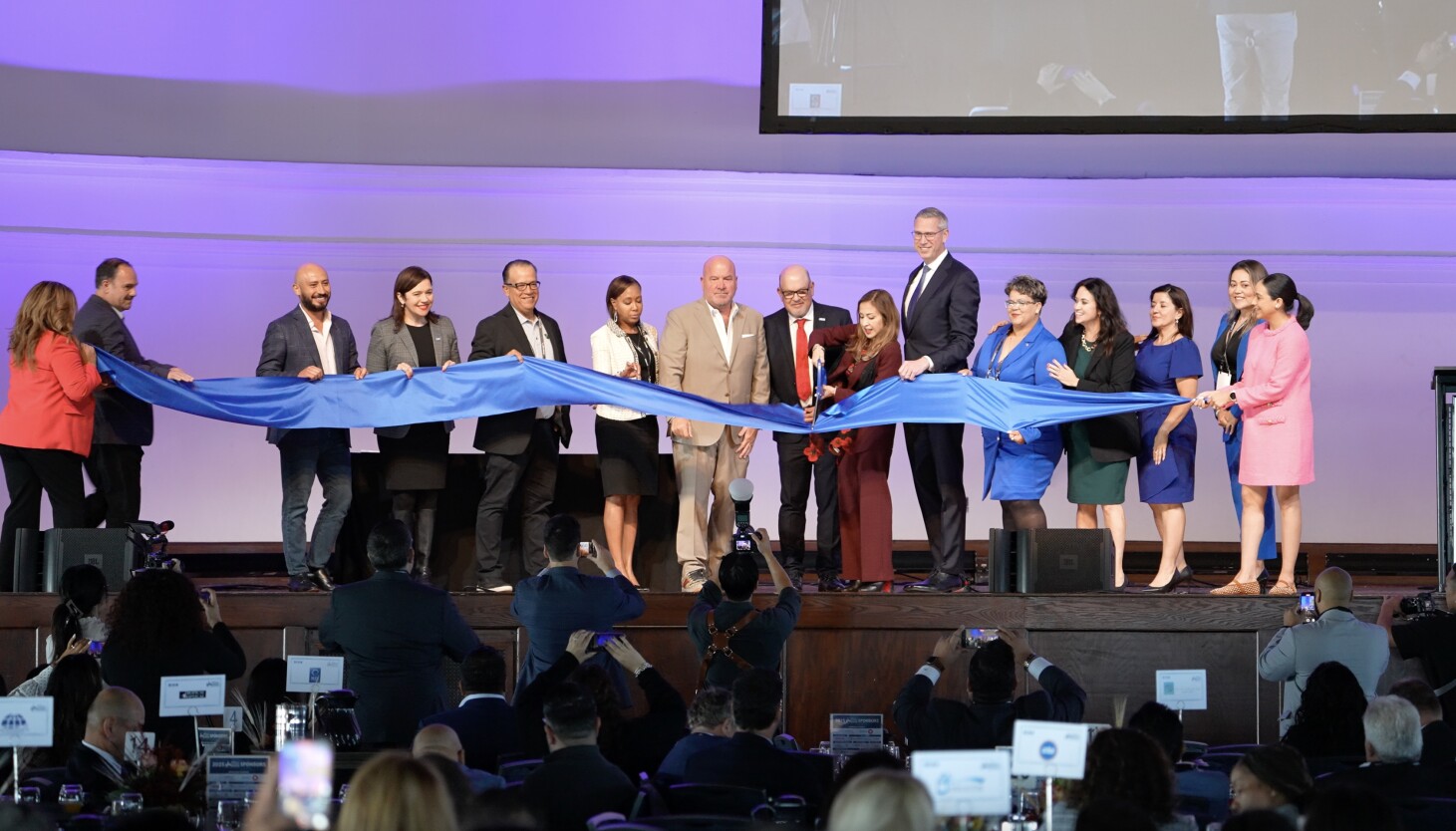
At IHCC’s annual conference last October, di Paulo said U.S. Immigration and Customs Enforcement raids in Chicago stoked fear and stifled economic opportunities.
He told the Sun-Times, “From IHCC’s perspective, conditions for Latino communities and Latino-owned businesses have worsened since October, as ongoing fear and enforcement continue to reduce foot traffic, sales and community engagement. Many businesses are facing depressed revenue and financial uncertainty.”
Latino neighborhoods like Little Village, Belmont Cragin and parts of the Southwest Side, are beginning to feel like “ghost towns,” he said.
He added, “Street vendors and small Latino-owned businesses, which are essential to the cultural and economic life of these communities, have seen sharp declines in income, with some stopping work entirely due to fear of enforcement.”
Fewer customers create ripple effects that hurt suppliers and distributors.
“Restaurants, cultural and retail businesses and the construction industry are also being hit hard — which is why IHCC and other community organizations must stay diligent in supporting and advocating for these businesses,” di Paulo said.
In Illinois, the gross domestic product of Latinos exceeds $100 billion, according to the University of California Los Angeles Center for the Study of Latino Health and Culture.
“Latino-owned businesses are essential to Illinois’ economy, creating jobs and strengthening neighborhoods,” di Paulo said. “Ensuring Latino enterprises are fully included in economic development is key to long-term growth across the state.”
ICE has had broader impact on Chicago’s economy. At a press conference last November, more than 30 business and civic leaders denounced the federal government’s deportation campaign.
ICE raids have “scared people away from restaurants, cultural events, retail corridors and our Downtown — the heart of Chicago’s economic engine,” said Jack Lavin, CEO of the Chicagoland Chamber of Commerce, at the event. “The economic repercussions of ICE’s continued onslaught, if left unchecked, will be significant.”