Minister of Culture Mustafa Al-Rawashdeh announced on Thursday, based on the recommendations of the Committee for Selecting Cultural Cities and Districts, the winning cultural districts for the Jordanian Cultural Cities and Districts Project for 2026:اضافة اعلان
Northern Region: Bani Obeid District / Irbid Governorate;
Central Region: Al-Muwaqqar District / Capital Governorate;
Southern Region: Al-Qasr District / Karak Governorate.
Al-Rawashdeh said the Cultural Cities and Districts Project is among the Ministry of Culture’s flagship programs linked to sustainable development, stressing the importance of focusing on youth in the creative cultural industries and the positive impact this has on local communities.
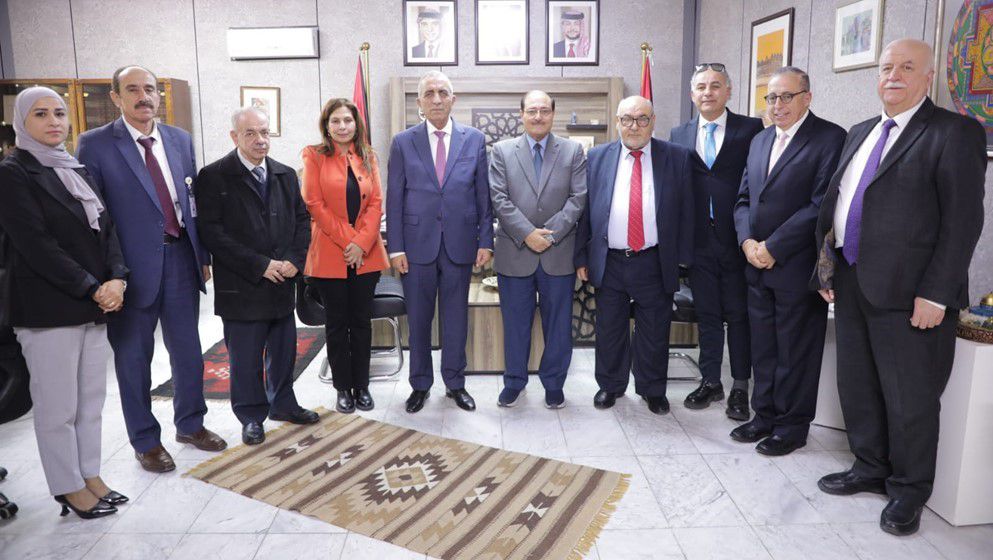
In a statement announcing the winning districts for 2026, attended by the chair and members of the selection committee, he emphasized that the Ministry’s work is grounded in institutionalization, cumulative effort, and continuity—ensuring the sustainability of high-quality cultural action that effectively serves society.
He noted that the Cultural Cities and Districts Project, launched in 2007, provides opportunities for local communities and cultural bodies to discover talents across all art forms. It also creates space for partnership and cooperation among cultural organizations, private institutions, educational institutions, and youth centers to highlight talents that constitute a national asset enriching Jordan’s cultural landscape. The project contributes to documenting and integrating the national narrative, strengthening a cohesive national identity, and promoting creative cultural industries that support development and economic empowerment in local communities.
Al-Rawashdeh added that the program is part of the state’s achievements in terms of its broad reach and impact, considering the geographic scope it covers, the groups it serves, and the diversity of its outputs. These include inaugurating cultural infrastructure, publishing books, organizing fine art and handicrafts exhibitions, theatrical and cinematic performances, as well as hosting seminars, evenings, and cultural and artistic conferences—creating production opportunities by leveraging each district’s comparative advantage in reviving tangible and intangible cultural heritage.
He explained that the announcement of the winning districts followed the committee’s recommendations after reviewing nomination files in accordance with the terms and guidelines of the Jordanian Cultural Cities and Districts Project. The committee comprises cultural and academic figures known for neutrality and integrity. It reviewed the submissions from governorates and evaluated and discussed their data based on the officially announced eligibility criteria.
For his part, Chairman of the Committee for Selecting Jordanian Cultural Cities and Districts and former Minister of Culture Dr. Adel Al-Twaissi said the program is one of the most important initiatives aimed at the equitable distribution of development gains. Jordanian cities have benefited from the program through improved cultural infrastructure, revitalized cultural programming, and increased attention to cultural affairs.
He noted that the program began with a clear, written objective to achieve fairness in distributing cultural development gains. At the time, cultural development was discussed alongside economic, social, and political development, with cultural development considered the overarching framework for all aspects of development.
Regarding the criteria, Al-Twaissi explained that while details have evolved, the fundamentals remain unchanged, summarized in four core criteria: infrastructure; cultural figures; activities over three years and the vitality of cultural organizations; and the district’s plan for future cultural activities.
On the program’s impact on society, Al-Twaissi stressed that continuity is a key indicator of success for any program. He noted that the program’s continuation for nearly two decades without interruption demonstrates its success, adding that community acceptance ultimately determines success. The program’s sustained presence across all cities and most districts of the Kingdom further attests to its success and ongoing development.
— (Petra)