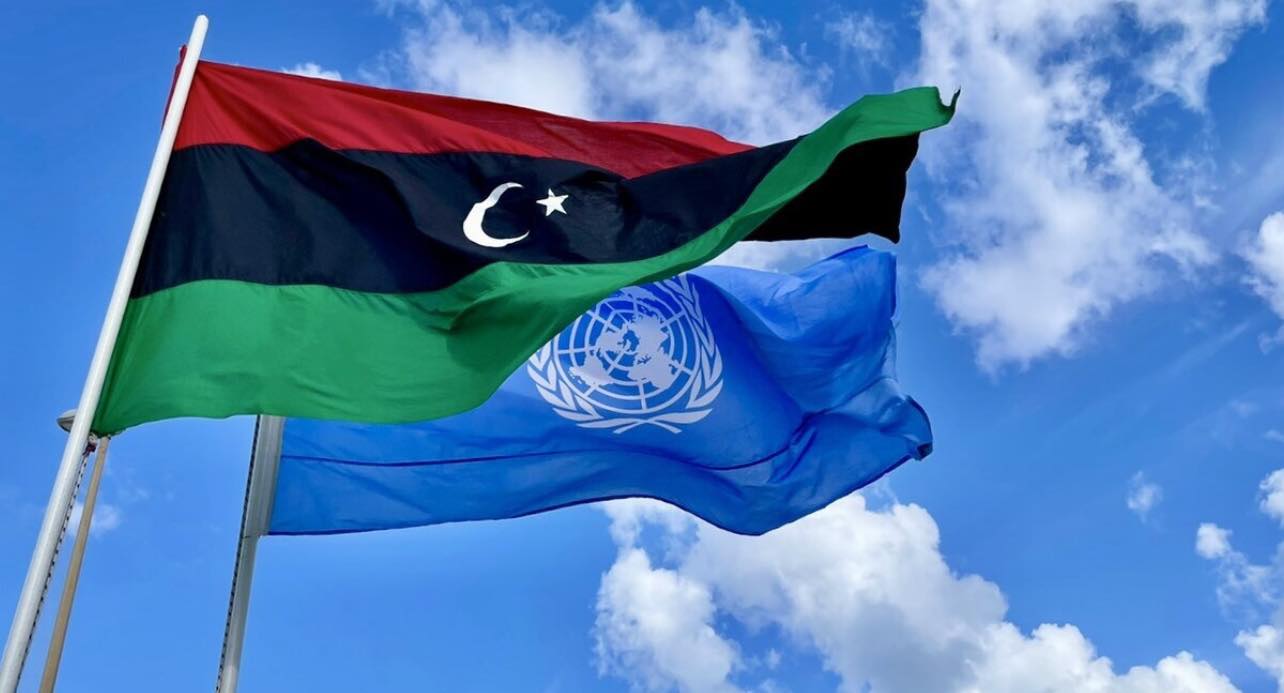
Political analyst Khaled Al-Hijazi described potential UN measures. These aim to prevent the disruption of presidential and parliamentary elections. The first measure involves political and diplomatic pressure. It targets conflicting Libyan parties directly. These include legislative institutions and rival governments. The goal is to make them accept a clear electoral roadmap.
Al-Hijazi explained this to “Erem News”. He said the UN also seeks to unify influential countries’ positions on Libya. International division gives local powers significant room for maneuver and obstruction. Success in this approach depends on the seriousness and cohesion of the international stance.
The second measure concerns the legal framework for elections. The UN tries to foster Libyan consensus. This consensus is on clear and fair electoral laws. These laws would prevent rules from being tailored to specific parties. However, the UN’s ability remains limited. This is if Libyan institutions reject these laws.
He stressed that the third measure involves the threat of international sanctions. This includes listing election spoilers on sanctions lists. Examples are travel bans or asset freezes. He considers this a theoretically effective weapon. Yet, it faces complexities within the Security Council.
The UN mission is also enhancing its mediation role. It provides technical and security support for the electoral process. This is especially for the High National Elections Commission. These efforts reduce technical obstacles. However, they do not prevent a deliberate political decision to disrupt.
Al-Hijazi concluded that UN measures can raise the political and international cost of disrupting elections. But the UN lacks sufficient power to decisively prevent it. Election success remains tied first to an internal Libyan will. Second, it relies on serious international pressure. This pressure must link words with clear actions.