Key Points
- Trump cancelled planned February 1 tariffs after meeting NATO chief Mark Rutte.
- Europe’s Parliament suspended work on an EU–U.S. trade deal, citing sovereignty concerns.
- Greenland is now a test of Arctic security and alliance credibility.
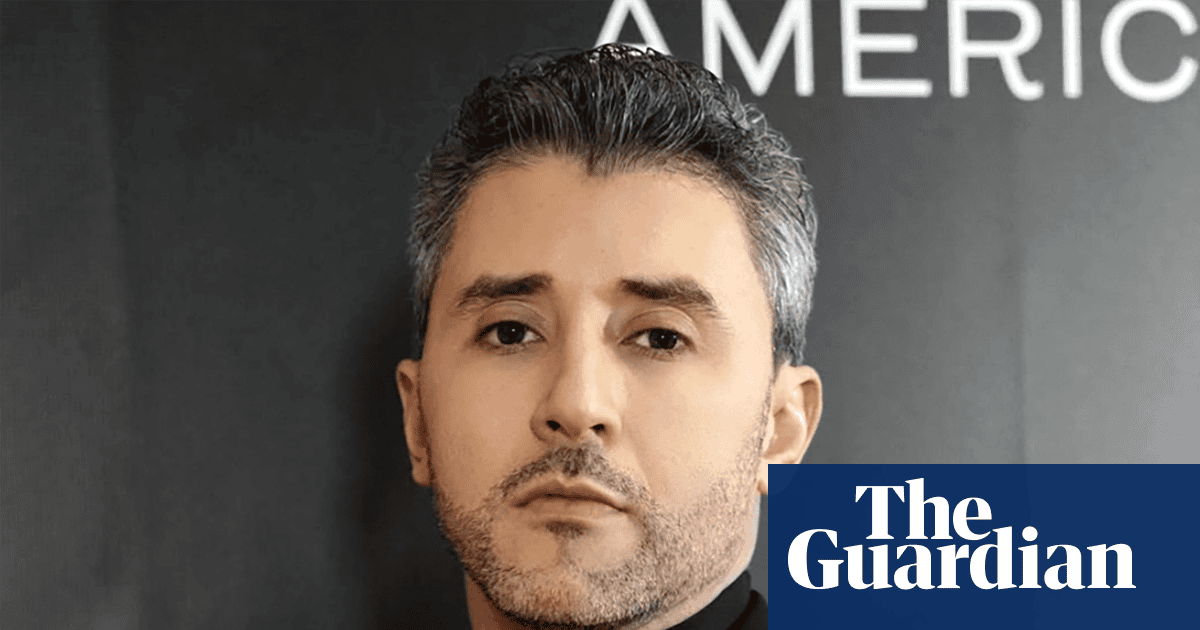
Donald Trump came to Davos with a trade weapon. He had floated 10 percent tariffs on several European countries, due to start February 1, tying the pressure to Greenland.
After a bilateral meeting with NATO Secretary-General Mark Rutte on January 21, Trump backed off, saying a “framework” for a future Greenland-and-Arctic arrangement was taking shape and the tariffs would not go ahead.
In Davos, Trump also ruled out using military force to acquire Greenland. He still argued the United States is the only country that can secure the island for strategic security.
Denmark has rejected any negotiation over a transfer, and Greenland’s leaders keep pointing to self-determination.
Trump Drops Greenland Tariff Threat After NATO Talks In Davos
Trump Drops Greenland Tariff Threat After NATO Talks In Davos
Rutte endorsed the urgency of Arctic defense while avoiding Trump’s ownership logic. He said sea lanes are opening and that Russia and China are becoming more active in the region.
He also offered a blunt reassurance after Trump questioned allied resolve, saying Europeans would come to America’s defense if the United States were attacked.
The trade fallout, however, did not vanish with the tariff reversal. The European Parliament’s international trade committee suspended work on implementing the so-called Turnberry deal.
Committee chair Bernd Lange wrote on X that “business as usual” was impossible when sovereignty and territorial integrity were at stake.
The package has been described as cutting some EU duties on U.S. goods and keeping zero tariffs on American lobsters.
What gives the dispute weight is that the U.S. already operates in Greenland. The Pentagon’s Pituffik Space Base supports Arctic surveillance and early-warning missions.
That footprint makes the argument less theoretical, and more about who sets the rules at the top of the world.
Trump said a negotiating team is forming, naming Vice President JD Vance, Secretary of State Marco Rubio, and envoy Steve Witkoff. Markets rose on the de-escalation. Europe’s freeze shows the wider confrontation remains unresolved.