Cruising is heading to new heights for the Dominican Republic, with cruise ships helping to power last year’s record-breaking visitor numbers.
The Dominican Republic’s cruise business just delivered one of its strongest years on record, underscoring the country’s growing pull as a Caribbean cruise destination and the central role its ports are now playing in regional itineraries, officials revealed with new data this week.
Tourism ports across the Dominican Republic welcomed 2,815,732 cruise passengers in 2025, a jump of 114.6 percent compared to 2022, a 25.3 percent increase over 2023 and a 6 percent rise versus the previous year.
The figures were presented at the Dominican Republic Ministry of Tourism’s monthly meeting, where Tourism Minister David Collado shared the full-year data for 2025.
Even with weather-related disruptions that affected several scheduled calls, the country still received 159,427 more cruise visitors from January through December 2025 than it did in 2024. Compared to earlier years, the growth is even more pronounced: 567,885 more cruise passengers than in 2023 and an additional 1,503,853 compared to 2022. The numbers point to sustained momentum rather than a one-off surge, with the Dominican Republic continuing to solidify its position on major cruise lines’ Caribbean routes.
Puerto Plata remained the undisputed heart of the country’s cruise activity, accounting for 78 percent of all cruise arrivals in 2025. The northern port city has become one of the Caribbean’s busiest cruise hubs in recent years, driven by purpose-built terminals and a steady flow of calls from multiple cruise brands.
Taíno Bay led the way within Puerto Plata, handling 40 percent of all cruise arrivals nationwide. The port welcomed 1,126,485 cruise passengers in 2025, representing a 13 percent increase compared to 2024, a 53 percent rise over 2023 and a striking 280 percent increase since 2022.
Those arrivals were spread across 316 cruise ship operations, reflecting both higher passenger counts and frequent calls throughout the year. Taíno Bay’s continued growth highlights how newer cruise infrastructure, paired with walkable access to the historic center of Puerto Plata, is resonating with cruise lines and travelers alike.
Amber Cove, also in Puerto Plata, followed closely behind, accounting for 38 percent of all cruise passengers in the country. The port received 1,076,149 cruise visitors in 2025 through 247 ship operations. While that figure represents a 10 percent decline compared to 2024, it still marked a 3 percent increase over 2023 and a 50 percent rise since 2022. The slight year-over-year dip suggests a redistribution of calls between the country’s ports rather than a loss of interest, especially as new destinations come online elsewhere in the Dominican Republic.
La Romana ranked next, welcoming 278,791 cruise passengers and accounting for 10 percent of total cruise arrivals in 2025. The port recorded 110 cruise operations during the year. While arrivals were down 17 percent compared to 2024 and 20 percent compared to 2023, La Romana still posted a 40 percent increase over 2022, pointing to longer-term growth despite short-term fluctuations. The port continues to serve as a gateway to the eastern Dominican Republic, with cruise passengers often heading to beaches, golf courses and nearby resort areas.
One of the most closely watched developments in the country’s cruise sector is Cabo Rojo, in the southwestern province of Pedernales. In 2025, Cabo Rojo received 176,690 cruise passengers, accounting for 6 percent of the national total across 42 cruise operations.
The port’s emergence is significant not just for the numbers themselves, but for what they represent: the opening of a new cruise destination in a region that has historically seen limited tourism traffic. Cabo Rojo is now firmly on the Caribbean cruise map, introducing visitors to a less-developed corner of the Dominican Republic defined by wide beaches, national parks and a more remote feel.
Samaná continued to build momentum as well, welcoming 64,218 cruise passengers in 2025 through 35 ship operations. That total represented 2 percent of national cruise arrivals but marked strong year-over-year growth, with arrivals up 46 percent compared to 2024, 9 percent higher than 2023 and 22 percent above 2022. Samaná’s appeal lies in its natural beauty, whale-watching reputation and smaller-port experience, which continues to attract boutique and expedition-style cruise calls.
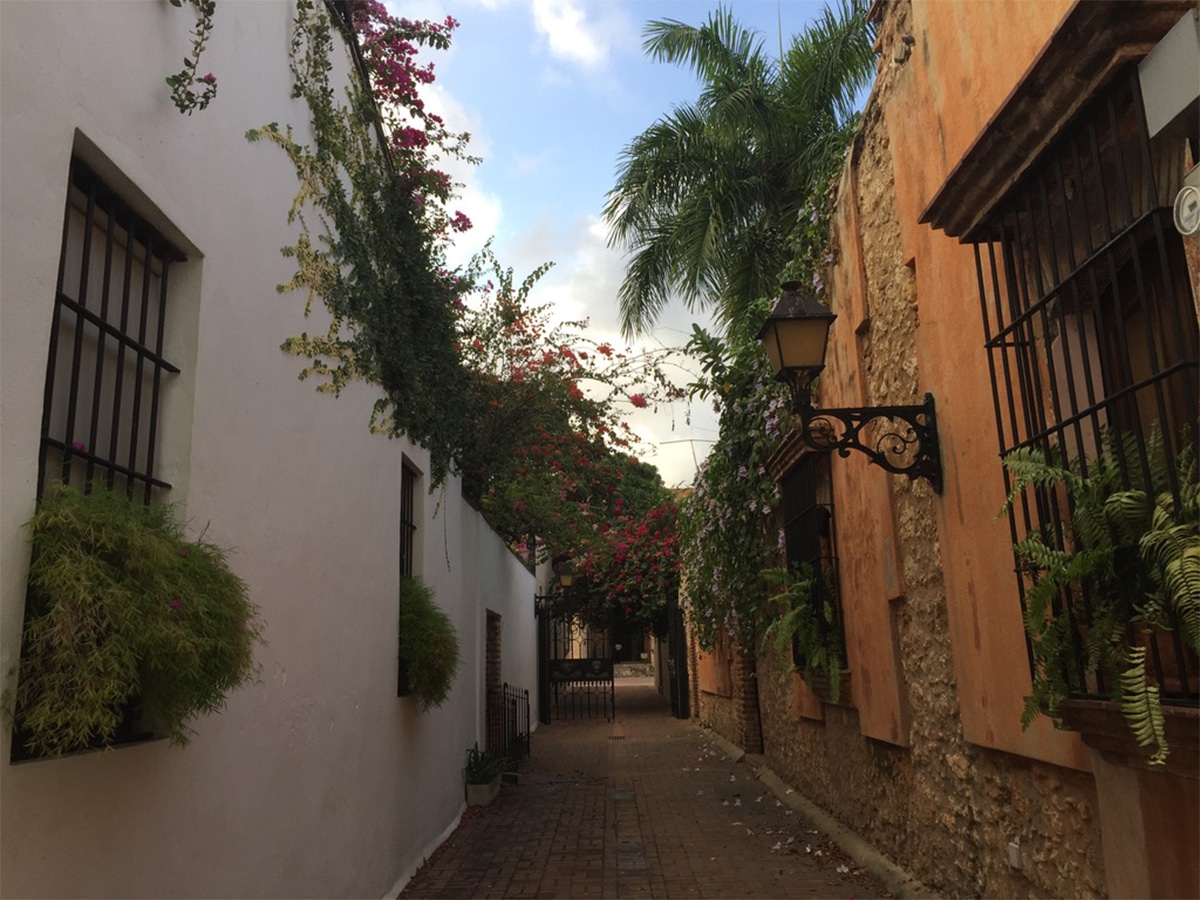
The capital city also saw a notable rise in cruise traffic. Santo Domingo received 59,618 cruise passengers in 2025, accounting for 2 percent of total arrivals across 174 cruise operations. The growth here was among the fastest in the country, with arrivals up 144 percent compared to 2024, 43 percent higher than 2023 and 161 percent above 2022. As the oldest continuously inhabited European-founded city in the Americas, Santo Domingo offers a markedly different cruise experience, centered on history, culture and urban exploration.
Isla Catalina rounded out the list with 33,781 cruise passengers in 2025, representing 1 percent of total arrivals across 17 operations. While the island saw a sharp decline compared to 2024, arrivals were still up 110 percent over 2023 and 43 percent compared to 2022. The fluctuations reflect the island’s role as a supplementary stop rather than a primary cruise hub, often dependent on itinerary planning and seasonal demand.
Taken together, the 2025 figures illustrate how the Dominican Republic’s cruise sector has evolved into a diverse network of ports, each offering a distinct experience. From the high-volume operations in Puerto Plata to the emerging promise of Cabo Rojo and the cultural draw of Santo Domingo, the country is no longer reliant on a single cruise destination. Instead, it is presenting cruise lines with multiple options that can be combined across itineraries, encouraging repeat visits and broader geographic distribution of visitors.
The Dominican Republic’s surge in cruise traffic is being driven largely by the industry’s biggest mainstream operators. Carnival Cruise Line is among the most frequent callers, with regular sailings to Amber Cove and Puerto Plata anchoring its Caribbean itineraries.
Norwegian Cruise Line is another major presence, deploying multiple ships to Dominican ports throughout the year, particularly in the north of the country. Royal Caribbean also features the Dominican Republic consistently on its Caribbean routes, while MSC Cruises has expanded its footprint with scheduled calls as well. Together, these lines account for the bulk of cruise arrivals to the country, keeping Dominican ports firmly embedded in year-round Caribbean cruise itineraries