Key Points
- Morocco reported about 19.8 million arrivals in 2025 (+14%), helped by added flights and an Africa Cup of Nations surge.
- Egypt reported about 19 million arrivals in 2025 (+21%), boosted by the $1 billion Grand Egyptian Museum and strong resort demand.
- Tourism is capacity politics: runways, rooms, visas, and security translate into foreign currency, jobs, and confidence.
Morocco and Egypt ended 2025 as Africa’s two biggest tourism magnets. But the story is less about postcards than performance. When a country can process millions of arrivals smoothly, it wins trust from airlines, tour operators, and investors.
Morocco says it welcomed roughly 19.8 million visitors in 2025, about 14% more than the year before. Officials describe tourism as roughly 7–8% of the economy.
Authorities reported 124 billion dirhams (about $13.5 billion) in tourism income in the first 11 months of 2025, up 19% year on year.
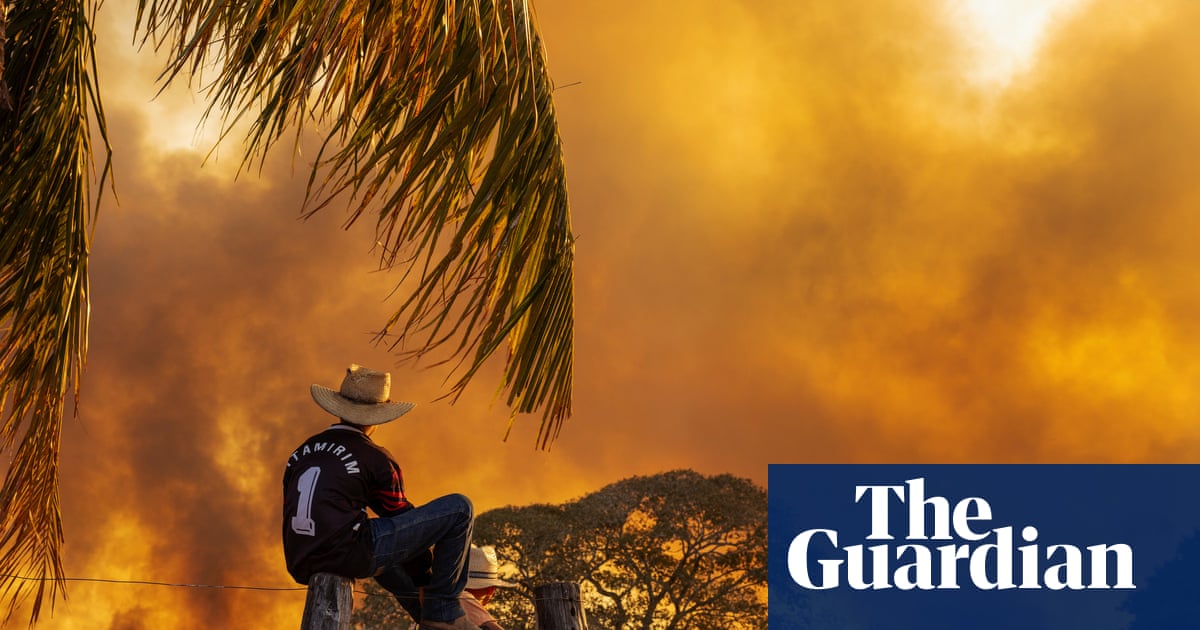
Morocco And Egypt’s Tourism Records Show How Travel Became A Power Metric. (Photo Internet reproduction)
The driver is simple: seats. Morocco expanded connections to its European market and multiplied low-cost options, turning “maybe later” trips into quick weekends.
Then it added a stress test that doubles as branding: hosting the Africa Cup of Nations from December 21, 2025 to January 18, 2026.
A tournament compresses tourism into weeks—fans arriving together, moving between cities, and expecting safety, punctual transport, and available rooms. The push also fits Morocco’s World Cup runway: it will co-host the 2030 FIFA World Cup with Spain and Portugal.
Egypt’s surge sends a different signal: resilience. The country reported about 19 million arrivals in 2025, up roughly 21% year on year, even with war next door in Gaza.
The centerpiece is the Grand Egyptian Museum beside the Giza pyramids, widely reported as a roughly $1 billion project that officially opened in November 2025.
Add Red Sea hubs such as Sharm el-Sheikh and Hurghada, plus Mediterranean coast development, and the strategy is clear: expand capacity and keep spending local.