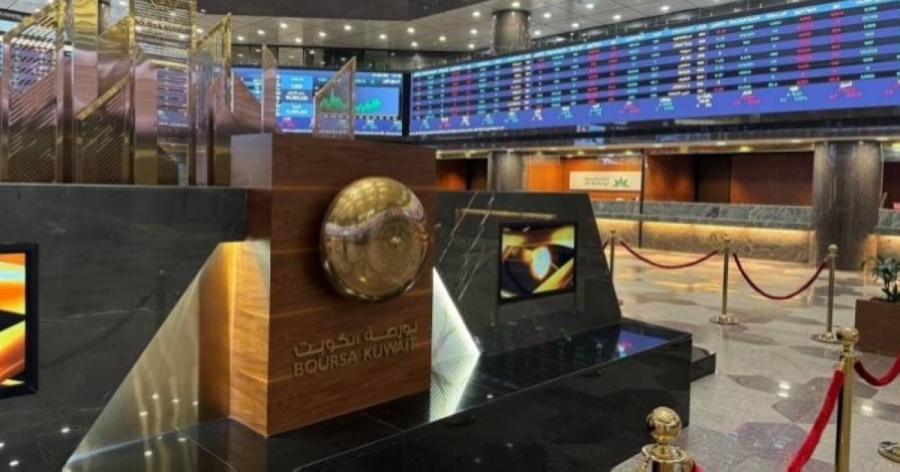
Regulatory authorities have finalized the long-anticipated amendments to the rules governing market makers affiliated with investment companies operating on the Kuwait Stock Exchange, paving the way for their implementation in the near future.
According to informed sources, the most notable amendment reduces the period required for re-registering a market maker following the cancellation of registration to three months, instead of one year.
Under the revised rules, a market maker may request the stock exchange to cancel its registration for a specific security, provided the request specifies a proposed cancellation date that is no less than 30 days from the date of submission, reports Al-Rai daily.
The sources explained that the Exchange will review and approve the proposed cancellation or extension period, allowing the market maker to expand or adjust the scope of its activities.
Any approval decision will specify the effective date and will be communicated to the Capital Markets Authority and licensed brokerage firms.
However, the market maker will not be permitted to apply for re-registration on the same security within one year from the date of submitting the cancellation request.
During the period following the submission of a deregistration request, the market maker remains obligated to continue fulfilling all its responsibilities until the Exchange-specified date on which the cancellation takes effect.
The amendments also introduce more flexible requirements related to daily liquidity provision on securities covered by market makers.
The required liquidity obligation has been set within a range of 5 to 10 percent, enabling market makers to cover a wider number of securities.
Sources noted that this adjustment addresses the challenges faced by market makers in maintaining fixed liquidity percentages, particularly in leading stocks where trading volumes can surge unexpectedly, placing additional pressure on licensed companies to meet regulatory thresholds.
In addition, the amendments expand the range of securities that market makers may select in both the primary and main markets, subject to regulatory approval.
This expansion is conditional on maintaining the market maker’s solvency and capacity to meet obligations, so as not to disrupt trading activity.
Despite the added flexibility, market makers will continue to be required to maintain adequate internal control systems to support their operations.
They must also immediately notify the Exchange of any changes to these systems that could affect their ability to meet their regulatory obligations.
The revised framework is expected to enhance market liquidity, support operational flexibility for market makers, and contribute to greater efficiency and stability in the Kuwaiti capital market.