Key Points
- B3 plans a real-pegged stablecoin by the first half of 2026 as the settlement tool for a tokenized market.
- The exchange wants tokenized and traditional assets to trade together, sharing one liquidity pool so investors barely notice the switch.
- For 2026–2027, B3 is preparing 22 new products, including daily-expiry derivatives on the dollar, ether, and solana, plus weekly bitcoin options in dollars.
Brazil is not trying to turn its stock exchange into a crypto casino. B3’s message to investors is more strategic—and more political—than that: modernize the machinery of finance before someone else does it for you.
The headline item is a B3-issued stablecoin pegged to the Brazilian real, targeted for the first half of 2026. Think of it as the “cash” that moves inside a new tokenized market.
Instead of waiting for slower settlement cycles, B3 wants trades in tokenized assets to clear in reais within its own rails, with rules, supervision, and the exchange’s reputation on the line.
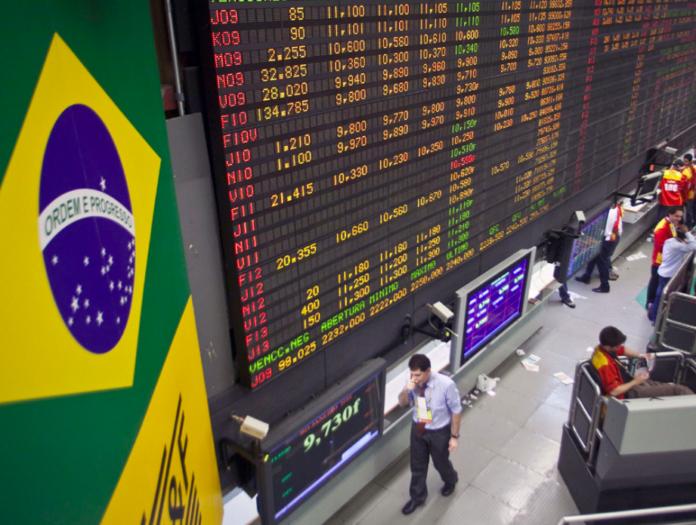
Brazil’s Stock Exchange Wants Its Own Stablecoin—And A New Financial “Plumbing” Layer. (Photo Internet reproduction)
But the stablecoin is only the payment layer. The deeper plan is a tokenization platform where shares and other assets can exist in two forms at once—traditional and tokenized—while trading against the same pool of buyers and sellers.
B3 executives call the key feature fungibility: if you buy, you should not care whether the seller held the asset as a token or a conventional instrument. That is how you move a market without detonating it.
Behind the story is a quieter reality. Brazil’s central-bank digital currency project has not delivered the fast, universal settlement dream many expected.
So B3 is building an exchange-led alternative, using distributed-ledger technology and artificial intelligence, and inviting banks, fintechs, and other institutions to innovate on top of its infrastructure instead of routing around it.
Then comes the product push. For 2026–2027, B3 has flagged 22 new products, including daily-expiry derivatives tied to the dollar, ether, and solana, oil futures, and weekly options on bitcoin priced in dollars.
It also wants to expand “event contracts.” Today these track Copom rate decisions—will the central bank hold, hike, or cut? Future versions could reference closing levels of bitcoin, ether, solana, the dollar, and the Ibovespa, and even macro releases like IPCA inflation and GDP.
B3 presented the effort as a growth bet, citing scenarios that lift average daily trading volume from around R$24.6 billion and pointing to an IPO pipeline sitting with the securities regulator.
The global takeaway: Brazil is trying to speed up capital markets with private-sector execution and strict guardrails—while deciding how much high-octane speculation belongs inside the main exchange.