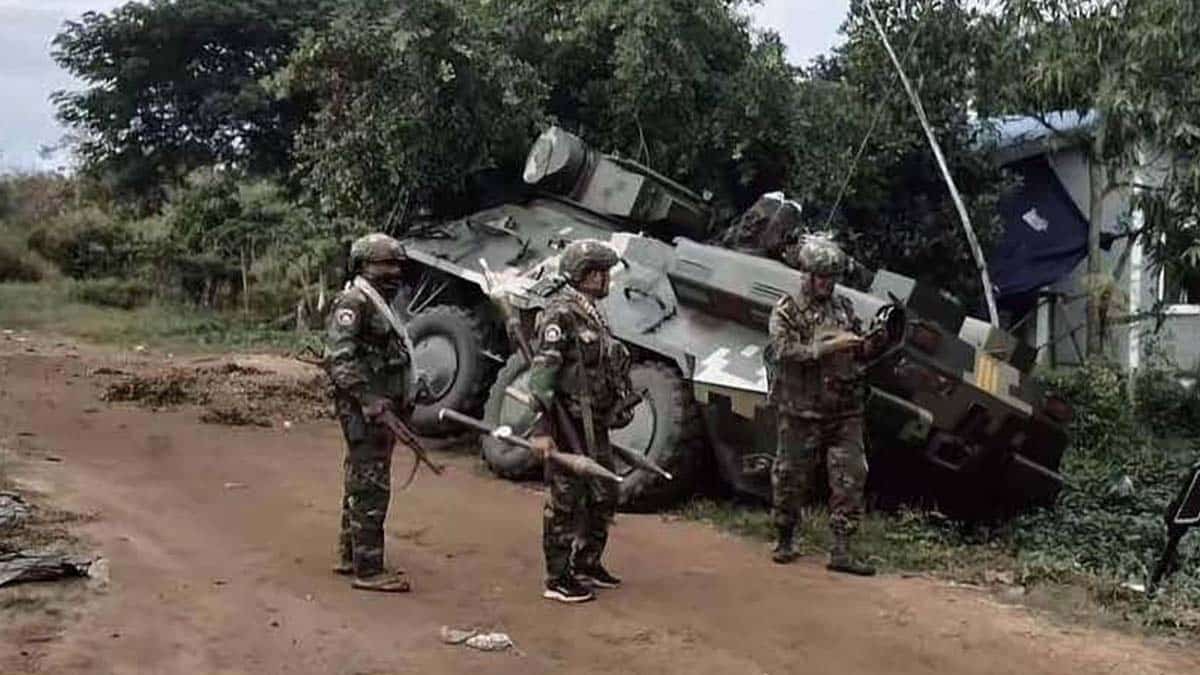
Cambodian observers say Thai forces have so far failed to seize any Cambodian territory, despite two rounds of fighting this year and the use of heavy military force by Thailand.
The assessment comes after five days of fighting in late July, followed by a renewed outbreak of hostilities in December. Observers say that even with sustained pressure, Thailand has not achieved its stated territorial objectives.
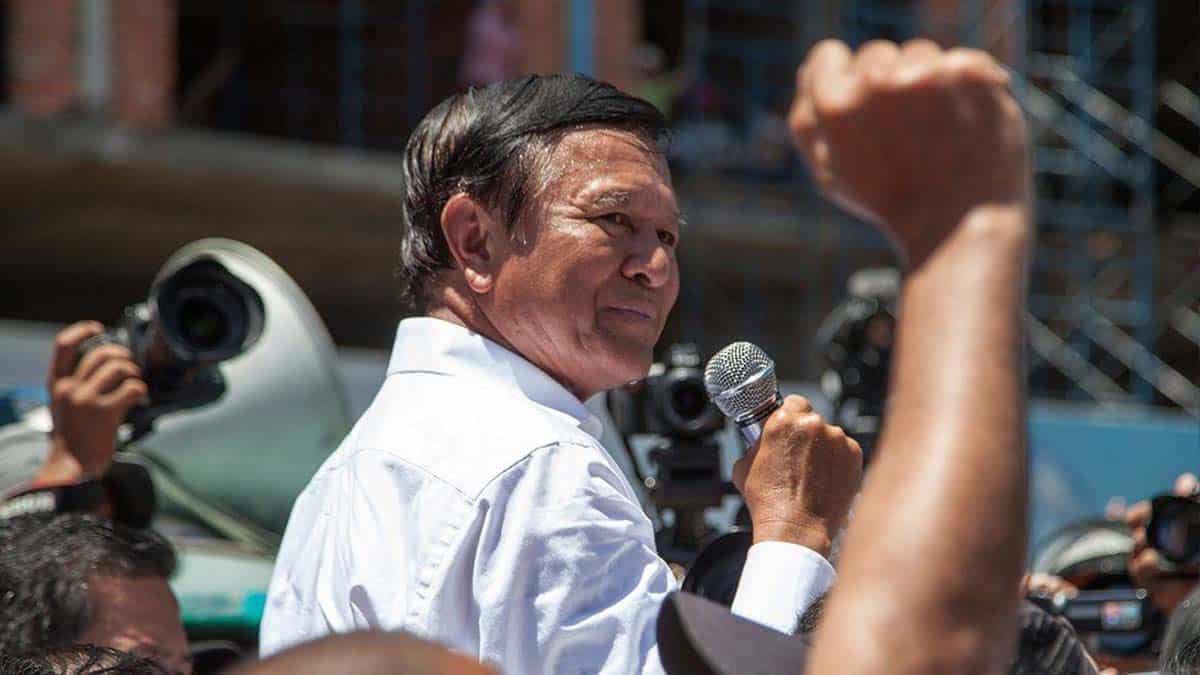
Kang Rithkiry, a former lawyer at the Khmer Rouge tribunal, wrote on Facebook that after nearly six months of intermittent conflict, Thai forces had still not taken control of any Cambodian positions. He said Thailand had deployed its army, navy, and air force in full-scale operations, including deep incursions of almost 100 kilometres into Cambodian territory, but without success.
According to Kang Rithkiry, air strikes, naval attacks, and heavy artillery fire were intended to open the way for ground troops to overrun Cambodian defensive positions. He said those efforts had repeatedly failed.
He added that Thailand has now shifted from rapid assault tactics to a war of attrition, aiming to weaken Cambodian forces through continuous attacks day and night. He claimed Thailand has committed weapons and manpower at a level up to ten times greater than Cambodia in an effort to secure victory.
Kang Rithkiry warned that if the conflict drags on, Cambodia could be weakened as Thai planners intend. He said Cambodia should intensify counterattacks to push Thai troops back from its positions and develop ways to limit the impact of Thai air strikes, to protect both the frontline and rear area military systems. He also urged Cambodia to consider a long-term war strategy to sustain resistance and achieve eventual success.
His comments come as the second round of fighting between Cambodia and Thailand enters its eleventh day, with tensions remaining high.
On December 16, the Thai newspaper The Nation quoted Thai defence minister Nattapon Nakpanich as saying the conflict would not last long, but that Thailand would tighten restrictions on fuel and military supplies to Cambodia.
In an interview with Thai PBS on December 14, Thai army chief Chaiyapruek Duangprapat said the ultimate goal of Thai forces was to ensure Cambodia no longer posed a long-term threat to Thailand’s national security. He said this would require the sustained weakening of Cambodia’s military capabilities and the destruction of its military equipment and infrastructure.
The latest fighting began on December 7, 2025. Cambodia says Thailand launched the first attack. As of December 17, the conflict has lasted 17 days.
Writing on Facebook on December 15, former information minister Khieu Kanharith said deep strikes into Cambodian territory should not be interpreted as an attempt to seize land. He argued that if Thailand intended to annex territory, it would concentrate its forces on specific disputed points rather than attacking across a wide area.
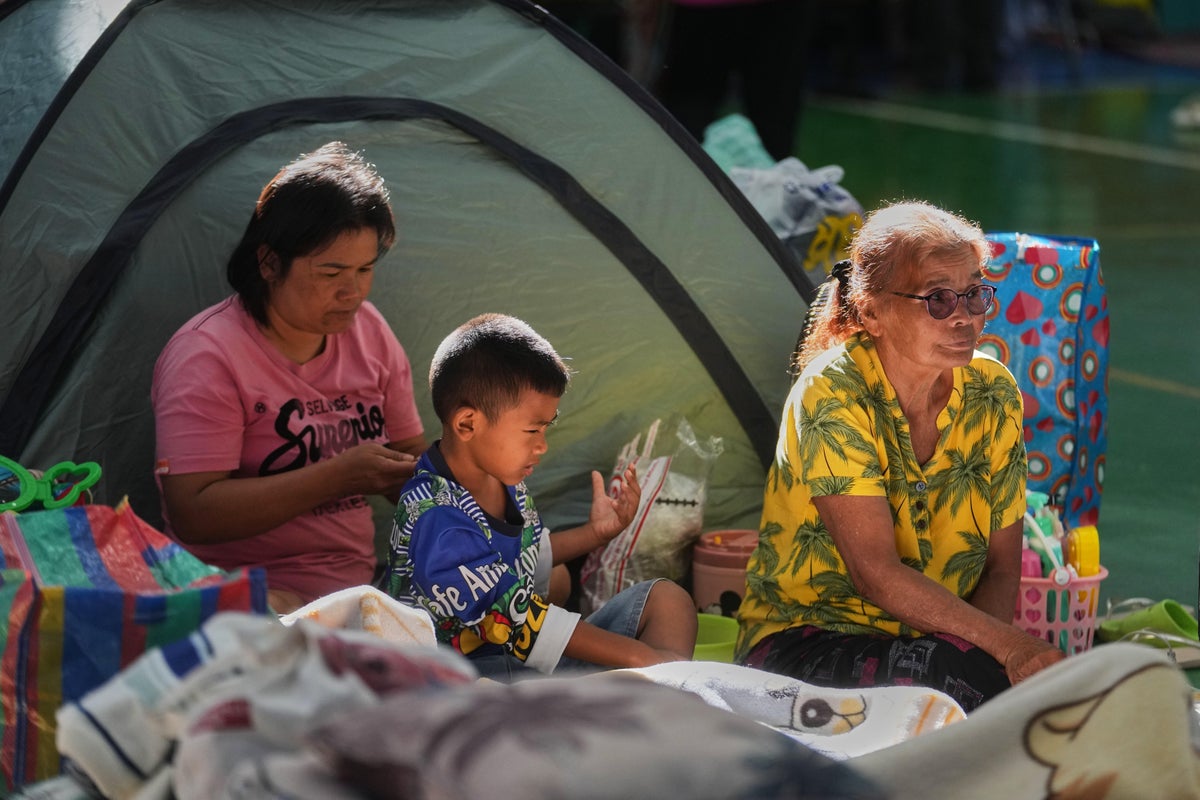
Khieu Kanharith said that with an election approaching in Thailand, the military would seek to build public confidence through several strategies. These include portraying Thailand as the dominant regional power, placing economic pressure on Cambodia through refugee flows that strain the Cambodian government, and pushing deeper into Cambodian territory to reinforce Thai public support for the government and armed forces.
He warned that Thailand has invested heavily in this conflict and would face significant consequences if it fails, adding that Cambodia must remain alert to shifting tactics that could allow Thai forces to regain ground if vigilance slips.