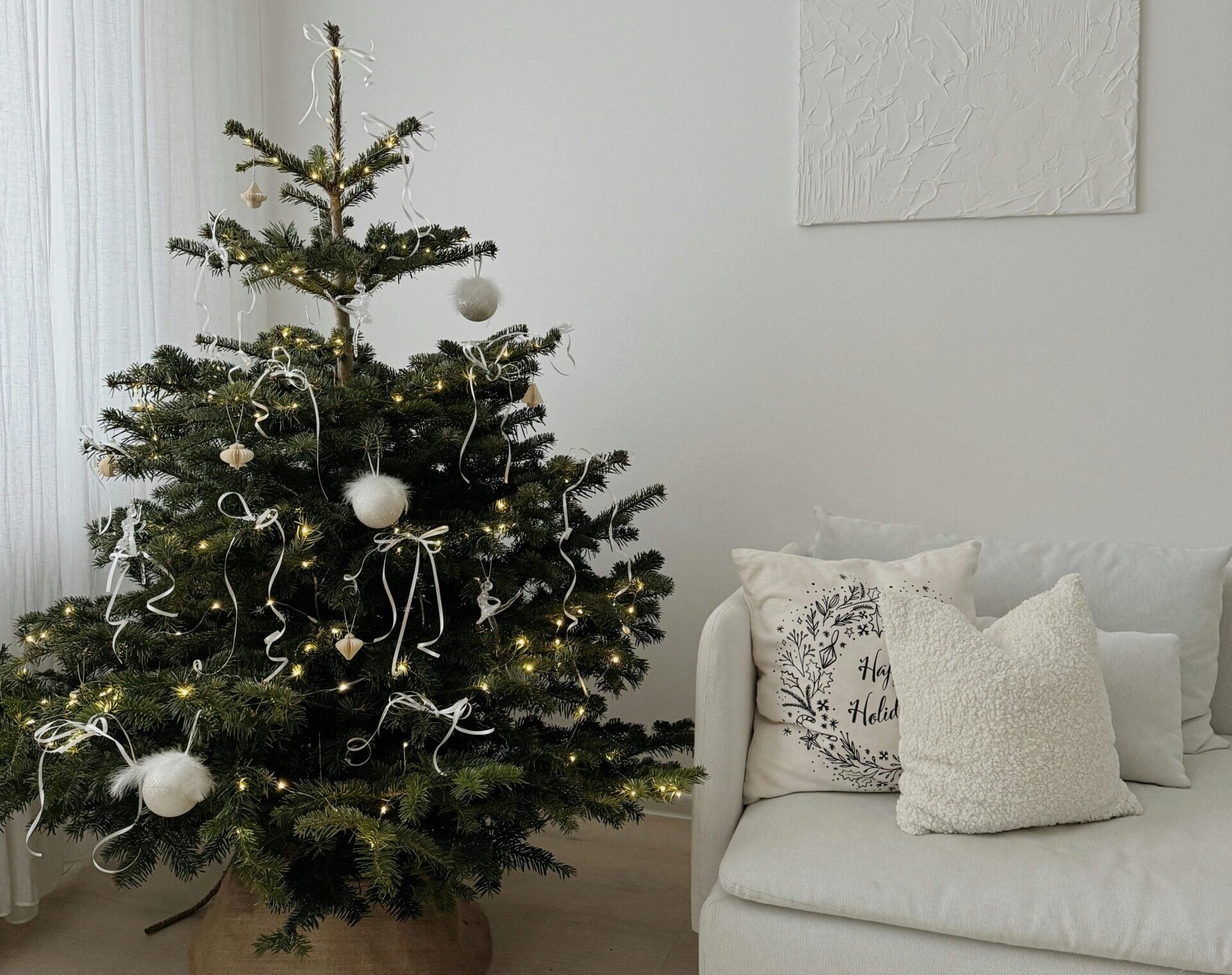
Every year, right on time for Advent, the same moral question arises: Does buying a real Christmas tree harm the environment, or is the durable plastic version the better choice? Réka Aszalós, a research assistant at the HUN-REN Ecological Research Center, dispels common myths and explains why nature ultimately comes out on top.
Many consumers opt for an artificial tree because they believe it will protect forests from deforestation. But the expert makes it clear that Christmas trees do not come from untouched primeval forests.
Christmas trees are grown on plantations specifically created for this purpose. They do not take up space in native forests,”
says Réka Aszalós. These plantations function as valuable small ecosystems for years. They bind carbon dioxide, filter fine dust from the air, regulate the local microclimate, and provide habitat for numerous insect and animal groups. In addition, cultivation secures the livelihoods of many family businesses, which have a direct economic interest in planting new seedlings for every tree sold.
Although artificial trees seem practical, their ecological footprint is devastating.
There are many reasons for this, the expert explained. Most models are made of polyvinyl chloride (PVC), a plastic that is not biodegradable. Recent studies show that artificial trees can pollute both the environment and the human body with microplastics. The majority of plastic trees travel thousands of kilometers from the Far East before ending up in living rooms at home. At the end of their life, they become hazardous waste that is difficult to recycle, she explained.
According to Réka Aszalós, those who still do not want to forego the scent of a real fir tree should follow a simple rule of thumb: regionality over size. A smaller tree that has grown in your own region causes significantly fewer emissions from transport and fertilization than a giant fir tree imported from the Netherlands, for example. There are also concerns about the variety. The popular Nordmann fir and common spruce are increasingly suffering from climate change and have become less resistant in many regions.
The ecological benefit of a real tree is ultimately determined by how it is disposed of.
The expert warns against simply throwing the tree in the household waste. Instead, it should be composted (shredded in your own garden), used as mulch to cover the soil in the garden, or taken to an official collection point where it will be professionally processed into biomass or compost.
However, caution is advised with trees with root balls. Although the idea of replanting is commendable, many trees do not survive the shock of warm indoor air and subsequent exposure to frozen ground.
If you really want to protect the environment, the expert advises either resorting to creative alternatives made from wood scraps and branches or choosing a small, regional fir tree and returning it to the natural cycle after the holidays.
Related article
Christmas Trees Are Not Getting Any Cheaper
There will be a price increase, but the extent of it will largely depend on who we buy from.Continue reading
Featured image: Pexels