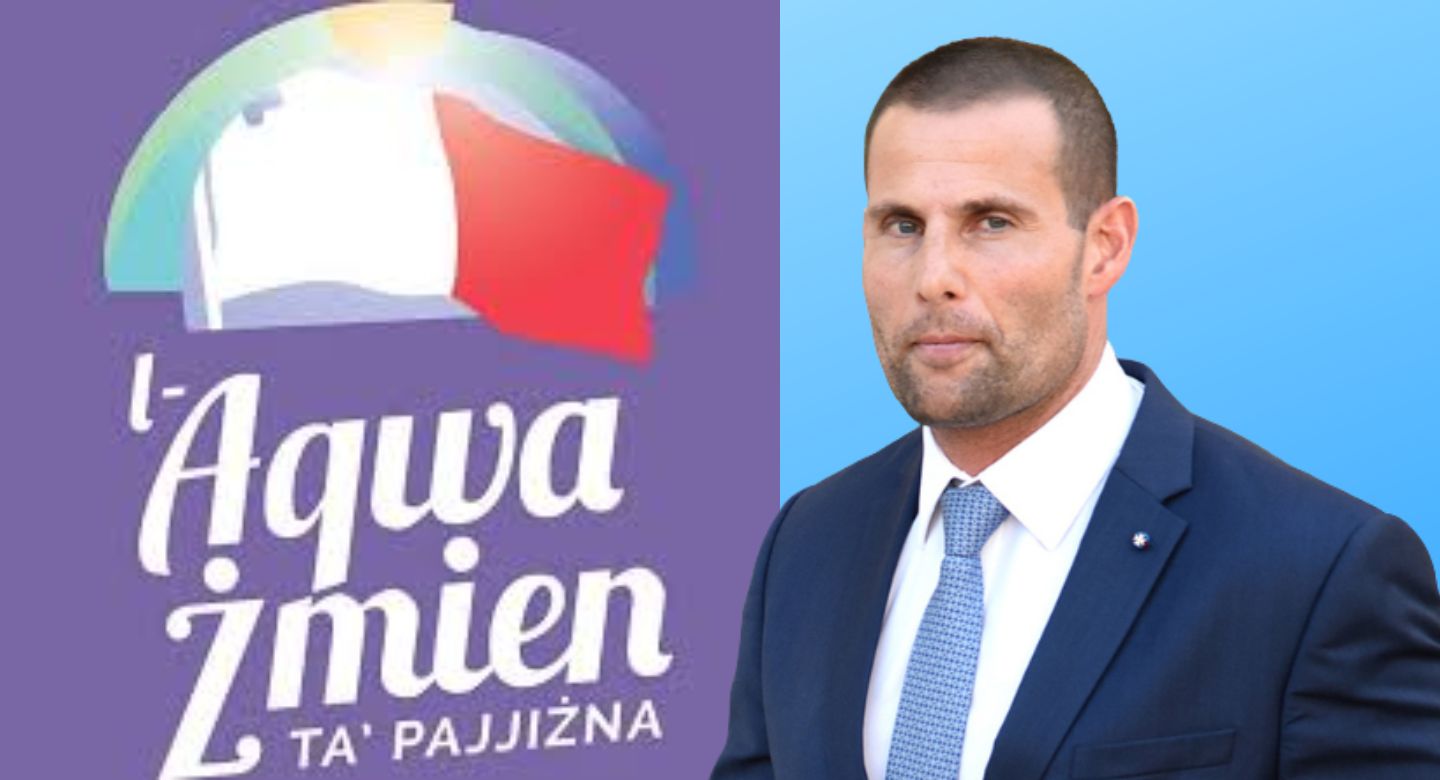
It takes a certain political flair to speak about national parks, pensions, hospitals, culture, identity, and children’s drawings all in one breath. But Prime Minister Robert Abela possesses that rare talent: the ability to make every policy area sound like a chapter from a colouring book, complete with optimistic shading and the occasional missing page.
Let’s start with the national parks – last Sunday’s headline act. Abela, egged on by Minister Miriam Dalli, proudly announced that children will be “consulted” on the development of Malta’s new parks. Not planners. Not architects. Not residents who have spent decades walking, lobbying, or despairing over these sites. No, the new guardians of our environmental future are eight-year-olds armed with crayons and opinions about slides.
In fairness, messing with the children angle is easy. It was never the main act; it was the soft-focus preamble. The meat of the performance came after: a whirlwind tour through every major policy theme available and every stick with which to beat the PN.
Take White Rocks: a site that has been promised more comebacks than Frank Sinatra. Abela triumphantly declared that the old public tender, once destined to morph the area into a mixed-use development, has been scrapped. Instead, it will become a “national, open and green park for families” and, in his words, “will never be developed.”
It’s an inspiring sentence, in the same way that promising to give up chocolate for Lent is inspiring: technically commendable, realistically “flexible”. The declaration was framed as an act of political courage unmatched by any previous administration. One could almost forget that White Rocks has already spent three decades in a limbo of proposals, withdrawals, re-proposals and rust.
Then up popped Manoel Island. Once destined for an ambitious redevelopment under a concession agreement, it has now been dramatically reclaimed “for the people”. Not partially. Not 60% accessible. The whole island, Abela says, will become a public, family-friendly park. If promises turned into trees, Manoel Island would already be a forest. Until then, we wait for the fine print.
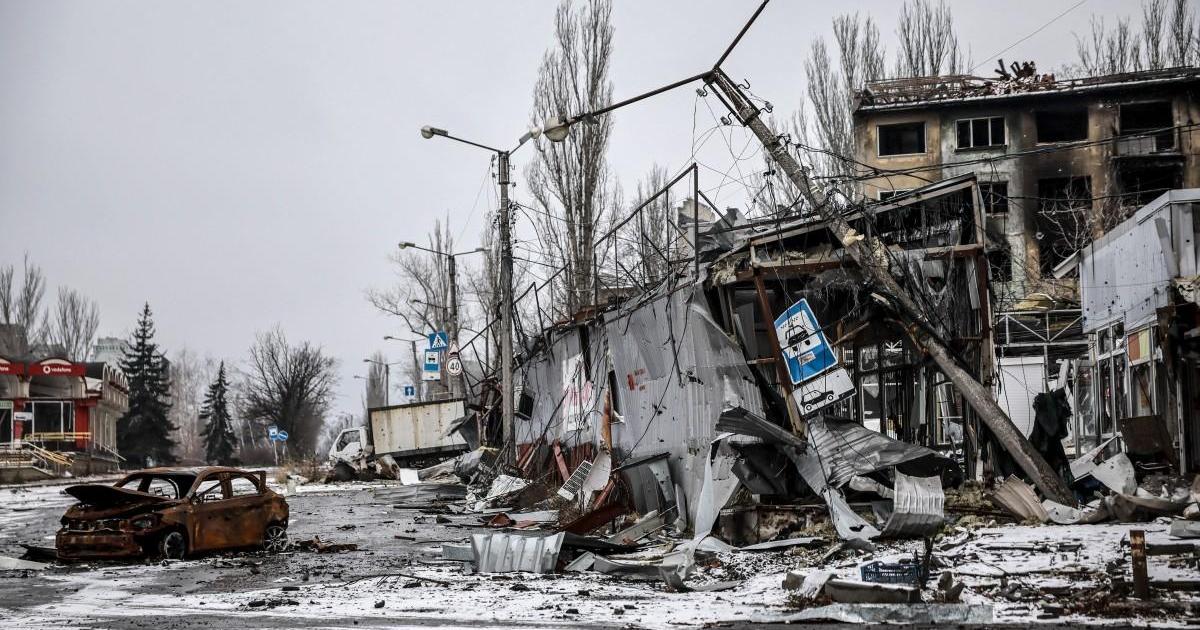
Fort Campbell in Selmun also made an appearance, because nothing says “new green era” like reviving a crumbling military fort whose structural integrity has been a source of concern for years. Turning it into a national park certainly sounds bold. Whether it is bold governance or bold optimism is another question.
Fort Campbell, Mellieha.
In between these scenic commitments, Abela wove in healthcare triumphs. Waiting lists, he announced, are down. Major operations, such as cataract surgery and knee replacements, are being cleared thanks to targeted investment. A new 300-bed hospital at St Vincent de Paul is on the way, which is excellent news, especially for those who believe that an ageing population should receive more than a promise and a ribbon-cutting ceremony.
Then came the economic flourishes: tax cuts for workers, support for families, record budgets, an economy that continues to “grow despite global challenges.” If you listened closely, you could almost hear the thrum of national progress, or at least the enthusiastic hum of a well-rehearsed talking point.
And just when you thought the speech was already full, Abela unveiled his cultural commitments. Maltese traditions -hobbies, pastimes, and identity markers – may soon be elevated into the Constitution. A bold proposal, and not without charm, though one wonders how future legal scholars will interpret clauses about bocċi, festa fireworks, or that sacred Maltese pastime: complaining about traffic. You thought I was going to mention hunting there, didn’t you?
Throughout the speech, the recurring theme was hope. Hope for families. Hope for the elderly. Hope for the environment. Hope for the future. Hope, hope, hope, delivered with the reassuring tone of someone who knows that hope polls extremely well, especially when no one expects you to deliver on it.
But here’s the curious thing: these sweeping announcements, presented as a coherent forward vision, also function beautifully as political shrink wrapping. Massive public projects, constitutional gestures, and promises of green revolutions have a way of shielding a government from more awkward questions – the type that require less hope and more detail.
Which brings us back to the children. Not because their input matters more than adults’, but because they perfectly represent the tone of the entire show: soft, symbolic, endearing, harmless. Asking children what they think of a national park is politically brilliant precisely because it is politically risk-free. Who is going to snipe at the sweet little diddums?
Meanwhile, the adults – the residents, planners, experts, environmentalists – continue waiting for concrete plans, proper consultation, and timelines that don’t dissolve on contact with reality. Abela’s 2025 message, wrapped in pastel optimism, is clear: Malta is becoming greener, fairer, healthier, and more culturally secure.
For sure, we have promises. Big ones. Beautiful ones. And yes, occasionally, ones drawn in crayon. But for the real cherry in the depths, consider these immortal words: “When you analyse the total percentage of land in the country, between the protected land and the parks, we have more than Germany,” the dear boy told them.
Now, I’ve lived in Germany for a bit, and for the life of me, I can’t call this anything but utter gibberish.
How much better it would have been had he told us how his Minister for Affordable Housing managed to afford his property portfolio, including that neat little penthouse.