Your support helps us to tell the story
From reproductive rights to climate change to Big Tech, The Independent is on the ground when the story is developing. Whether it’s investigating the financials of Elon Musk’s pro-Trump PAC or producing our latest documentary, ‘The A Word’, which shines a light on the American women fighting for reproductive rights, we know how important it is to parse out the facts from the messaging.
At such a critical moment in US history, we need reporters on the ground. Your donation allows us to keep sending journalists to speak to both sides of the story.
The Independent is trusted by Americans across the entire political spectrum. And unlike many other quality news outlets, we choose not to lock Americans out of our reporting and analysis with paywalls. We believe quality journalism should be available to everyone, paid for by those who can afford it.
Your support makes all the difference.Read more
Residents of eastern Congo said fighting has intensified despite a peace agreement that was signed by the Congolese and Rwandan presidents in Washingtion, D.C., with U.S. President Donald Trump in attendance.
Presidents Felix Tshisekedi of Congo and Paul Kagame of Rwanda met with Trump on Thursday to sign a wide-ranging deal that attempts to stop the ongoing war between the Congolese armed forces and the Rwanda-backed M23 rebel group in the eastern part of Congo.
But residents said Friday the fighting has intensified in recent days, with the town of Kamanyola near the borders with Rwanda and Burundi bearing the brunt.
“People are fleeing; they are leaving the neighborhoods where the bombs are falling to go to areas considered calm, and others are fleeing towards Rwanda,” Kamanyola resident Urbain Dunia told The Associated Press by telephone Friday.
“Yesterday, we saw that agreements were signed, but we don’t see any positive impact on this situation, and that worries us,” said Samson Alimasi, also from Kamanyola. “We only see bombs falling without knowing which side they are coming from.”
Lauded by the White House as a “historic” agreement brokered by Trump, the pact between Tshisekedi and Kagame followed monthslong peace efforts by the U.S. and other partners including the African Union and Qatar. The agreement finalized a deal signed in June.
M23 spokesperson Lawrence Kanyuka blamed the Congolese Army.
“It’s the governing coalition that continues to bomb us. I’ve always told you that this regime never respects agreements. Besides, what happened in Washington doesn’t concern us,” Kanyuka said.
M23 leader Bertrand Bisimwa claimed in a post on X that the shelling reported by residents was coming from Burundian Army positions across the border. The AP was unable to independently verify the claim.
Throughout eastern Congo, residents have reported pockets of clashes. M23 and Congolese forces have repeatedly accused each other of violating the terms of the ceasefire agreed earlier this year.
The Congolese army in the region of South Kivu, where Kamanyola is located, issued a statement blaming M23 and denouncing alleged bombing of schools by M23.
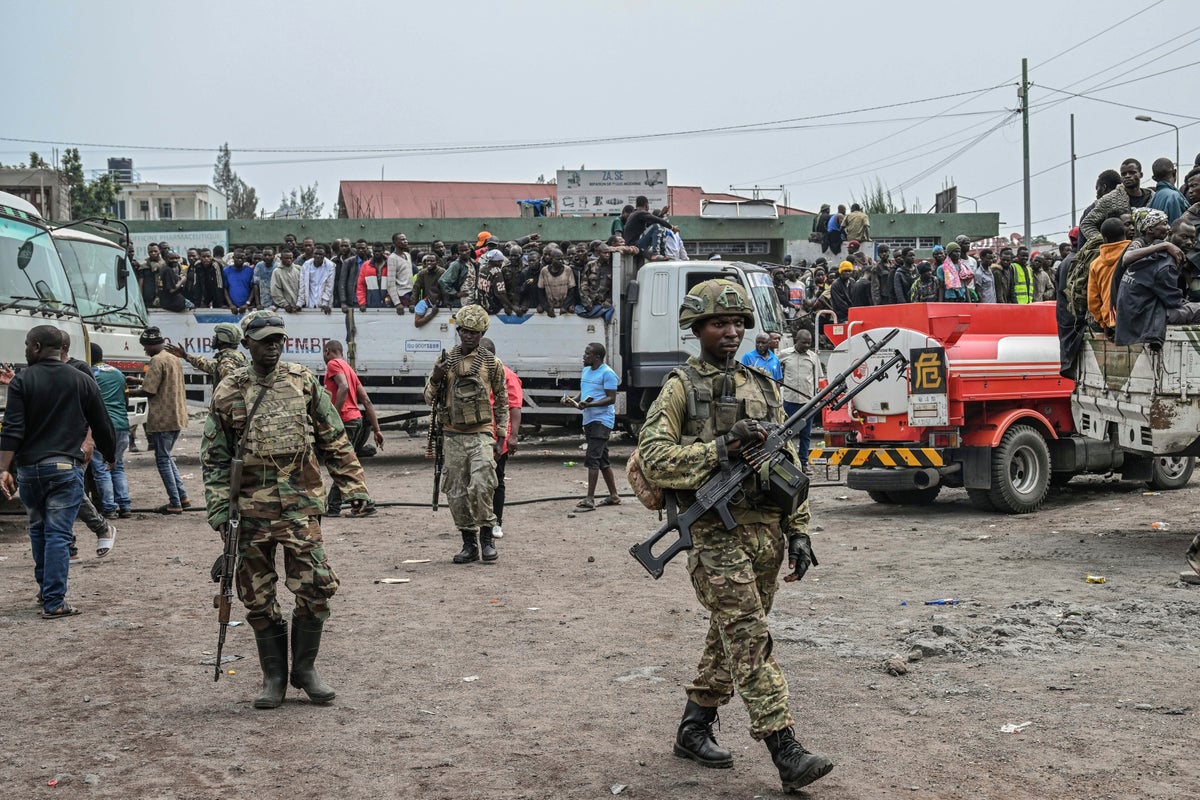
Earlier this year, M23 seized Goma and Bukavu, two key cities in eastern Congo, in a major escalation of the conflict.
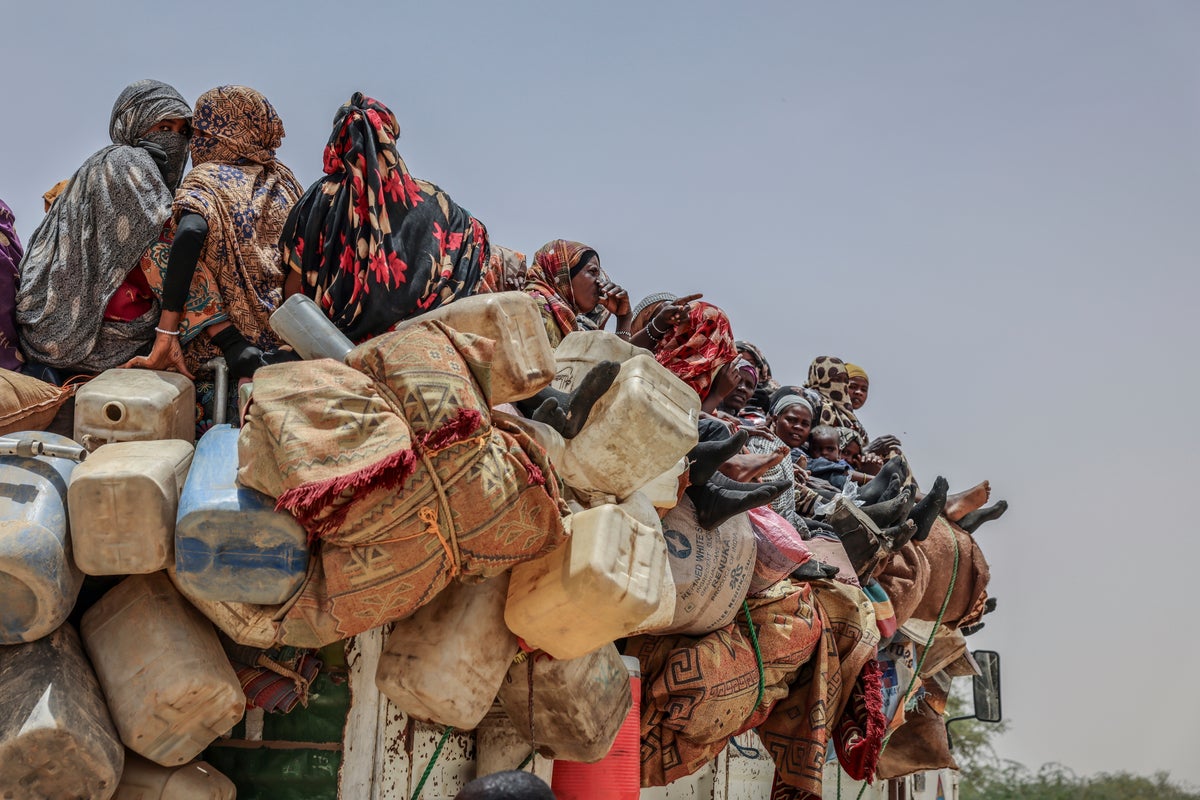
M23 is one of about 100 armed groups vying for a foothold in mineral-rich eastern Congo near the border with Rwanda in a conflict that has created one of the world’s most significant humanitarian crises. More than 7 million people have been displaced, officials say.
The rebels are supported by about 4,000 troops from neighboring Rwanda, according to U.N. experts, and at times have vowed to march as far as Congo’s capital, Kinshasa, about 1,600 kilometers (1,000 miles) to the east.