Your support helps us to tell the story
From reproductive rights to climate change to Big Tech, The Independent is on the ground when the story is developing. Whether it’s investigating the financials of Elon Musk’s pro-Trump PAC or producing our latest documentary, ‘The A Word’, which shines a light on the American women fighting for reproductive rights, we know how important it is to parse out the facts from the messaging.
At such a critical moment in US history, we need reporters on the ground. Your donation allows us to keep sending journalists to speak to both sides of the story.
The Independent is trusted by Americans across the entire political spectrum. And unlike many other quality news outlets, we choose not to lock Americans out of our reporting and analysis with paywalls. We believe quality journalism should be available to everyone, paid for by those who can afford it.
Your support makes all the difference.Read more
Visiting Bolivia became a little easier for certain travelers on Monday, when the South American nation’s first conservative government in nearly 20 years eliminated visa requirements for citizens from the United States and Israel, among several other countries, as part of a broader geopolitical and economic overhaul.
Americans and Israelis, as well as citizens of South Korea, South Africa and several eastern European nations that had been obliged to apply and pay for Bolivian tourist visas can now enter the country with only a valid passport for stays up to 90 days.
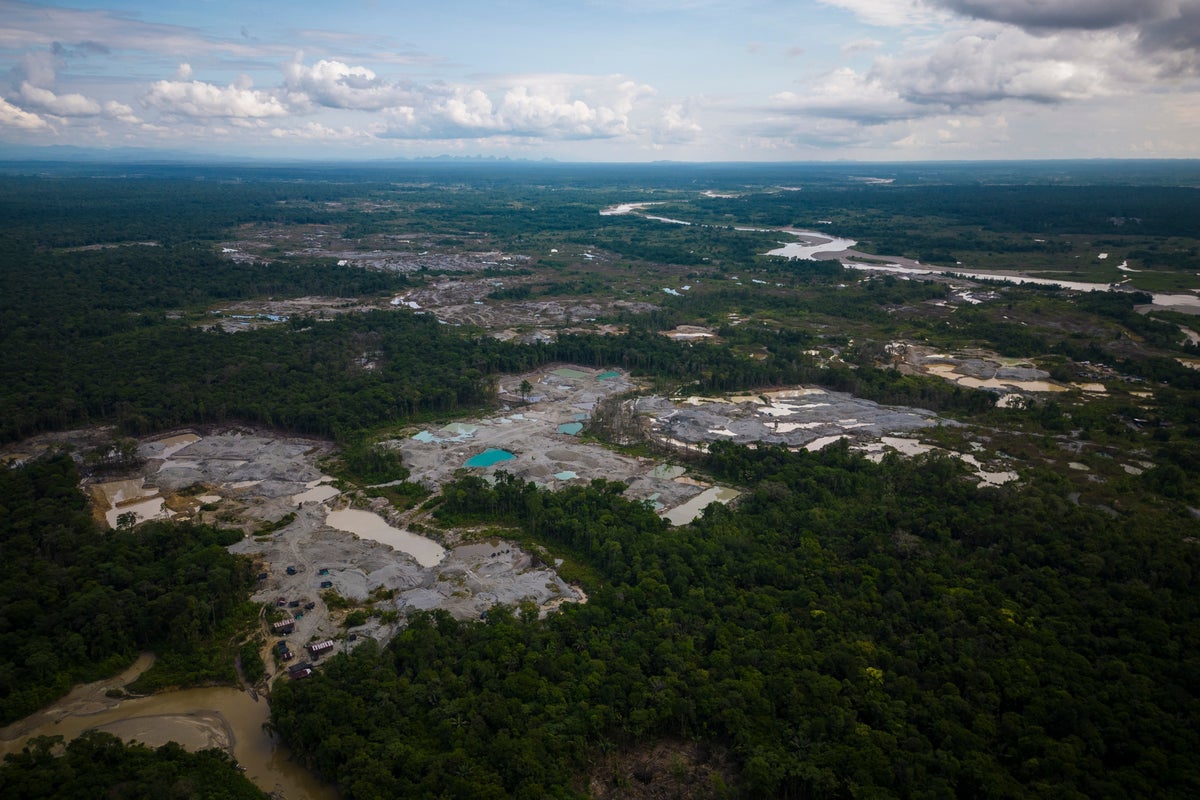
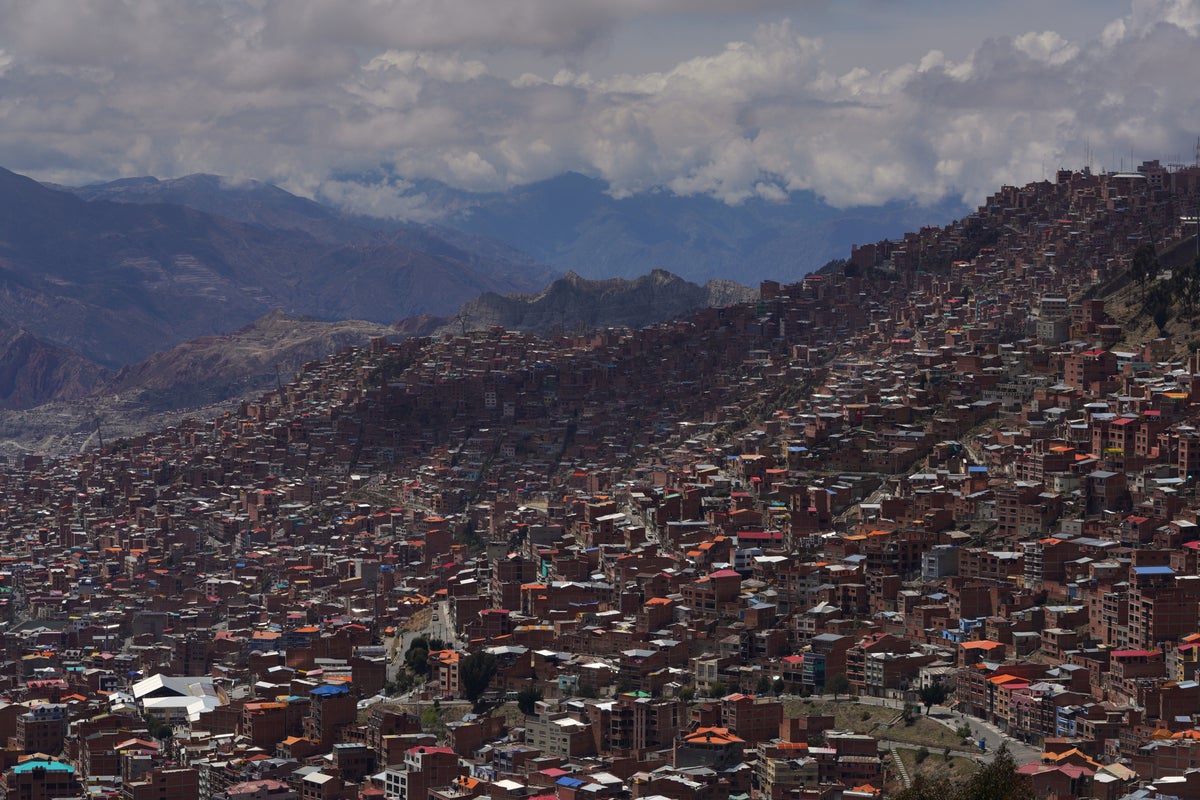
From the snowy slopes of its 20,000-foot peaks to the dense forests of its Amazon basin and the world’s largest salt flats, Bolivia is home to an array of tourist experiences often overlooked by international travelers vacationing in neighboring Brazil and Peru.
Monday’s measure is a bid by Bolivian President Rodrigo Paz — who took over the government last month from the long-ruling Movement Toward Socialism, or MAS, party — to build a strategic alliance with the U.S. and to fuel economic progress by attracting more visitors.
Bolivia is currently facing a severe shortage of U.S. dollars that has hampered imports and paralyzed the economy.
Anti-American hostility in Bolivia peaked under former left-wing President Evo Morales (2006-2019), a charismatic coca-growing union leader who gained popularity in the early 2000s among Bolivians tired of a half-century of dependence on Washington and angry about the violent U.S.-backed war on drugs in the tropics.
Morales led the country’s decoupling from the U.S. — throwing the U.S. Drug Enforcement Agency out of the country, expelling the U.S. ambassador and imposing visa restrictions on U.S. citizens.
He cited the principle of reciprocity, meaning that Bolivians — who are still charged $185 and required to undergo a cumbersome application process to obtain visas — should be afforded the same benefits when traveling to the U.S.
During the 2014 Israel-Hamas war in Gaza, Morales also severed diplomatic ties with Israel and began requiring tourist visas for Israeli travelers to Bolivia.
Meanwhile, Bolivia drew closer to Russia,China and Venezuela.
After mass protests against alleged electoral fraud forced Morales to resign under pressure from the military in 2019, right-wing former interim President Jeanine Áñez briefly scrapped the entry restrictions for citizens from the U.S. and Israel.
But then former President Luis Arce, Morales’ political heir from the MAS party, reinstated the visa rules when he entered office in 2020.
Paz’s officials on Monday estimated that Bolivia had lost around $900 million from the decline in visa recipients since 2007 and promised $80 million in new tourism revenue over the next four years.
“We must restore the world’s confidence in Bolivia being a suitable and safe country to visit,” Foreign Minister Fernando Aramayo told reporters in announcing the new measures.
The State Department keeps Bolivia at a level 2 travel advisory that urges visitors to “exercise increased caution” because of the risk of civil unrest. It also issues a level 4 “Do Not Travel” advisory, the highest grade of warning, for the country’s coca-growing region of Chapare where ex-President Morales is currently holed up, evading arrest for alleged statutory rape.
Seeking to replenish depleted dollar reserves and liberalize Bolivia’s economy as it undergoes its worst crisis in four decades, Paz last week scrapped some corporate and wealth taxes and laid out plans for taking on more debt.