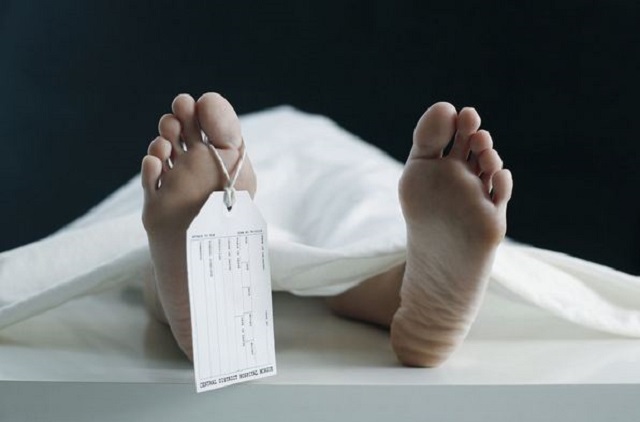
A lack of donations is affecting the quality of training for future health professionals, as real human bodies are essential for learning anatomy, which forms the foundation of all medical education.
Speaking at the funeral of Rosalie Chigariro, the first black Zimbabwean woman to donate her body to science, Mr Kavhura, Chief Technician in the Department of Anatomy, said the university still faces serious shortages, even as more students enrol in health-related courses.
He stressed that hands-on experience with human anatomy is crucial for training doctors, nurses, and other medical practitioners. Said Kavhura:
“Anatomy is the cornerstone of medical education. Without sufficient specimens, it becomes difficult for students to gain the full appreciation of human structure and function, something no textbook or computer model can replace.”
Kavhura said Chigariro’s decision to donate her body was not only an act of remarkable selflessness but also a landmark step in challenging cultural taboos that have long discouraged body donations in Zimbabwe.
He added that while traditions are important, donating one’s body to medical science does not diminish a person’s dignity. Said Kavhura:
“It is an act of generosity, of service, and of faith; faith that even in death, one can still help others live.”
Kavhura urged families to have open discussions about donation, saying awareness and education are crucial for changing perceptions and boosting participation.
He added that Chigariro’s example demonstrates that it is possible to honour both cultural values and scientific principles.