Not all gardeners are blessed with full-sun sites that the veggie-gardening books all recommend as the place to grow edibles. Six hours of direct sunlight per day is the rule of thumb.
But if you don’t have that, it’s still possible to grow a fair amount of your own crops.
You might not be able to do big, tasty tomatoes or peppers, melons, and cucumbers, but most leafy and root crops do reasonably well in dappled light or part-day sun.
Most root crops are fairly efficient in just four or five hours of light. These include: radishes, parsnips, beets, leeks, onions (especially scallions), shallots, turnips, rutabagas, and maybe even potatoes.
Part-day light also is often enough to grow asparagus, rhubarb, basil, beans, peas, celery, broccoli, cauliflower, cabbage, kohlrabi, carrots, and Brussels sprouts.
Some bush fruits produce in part shade as well, including blackberry, raspberry, chokeberry, gooseberry, currant, hardy kiwi, low-bush blueberry, and alpine strawberry.
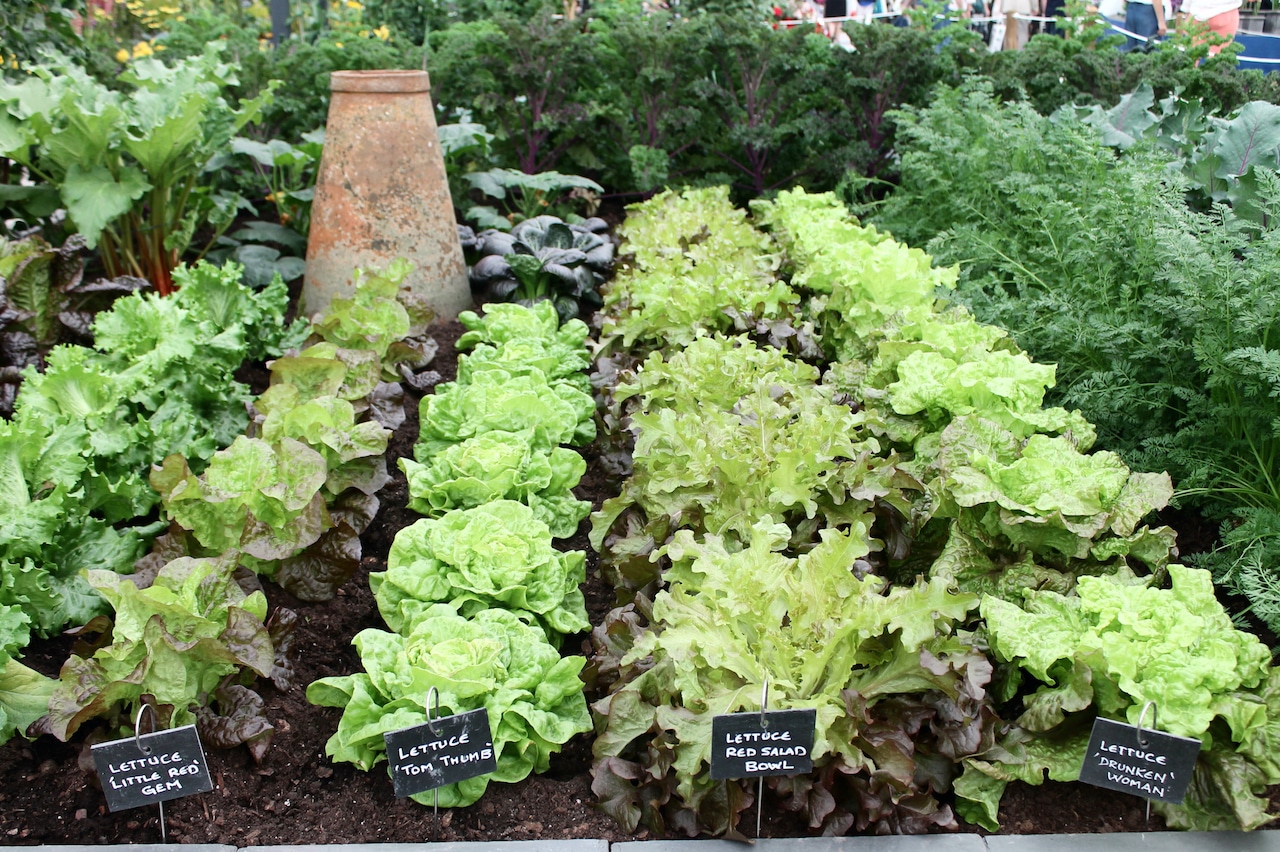
If your light is too low to support even those, try leafy crops, such as all of the lettuces (especially leaf lettuces), endive, kale, chard, collards, mesclun, pak choi, mustard, arugula, spinach, and most herbs (including chervil, chives, dill, tarragon, parsley, and lovage).
Besides leaning to lower-light choices, it’ll help to coax what light you do have to the maximum. A good starting point is to analyze exactly which spots get light when.
Even slight shifts in garden placement can add an extra hour or two of sunlight — possibly the difference between a pepper that fruits and one that doesn’t.
In addition to observation and trials, a cheap light meter – available in garden catalogs and some garden centers – can help you zero in on candidate sites.
If you’re not sure what crops might work in a spot you’re considering, do a container trial. Before digging the ground or installing raised-bed boxes, try growing a few crops you like in pots in that site.
If they get leggy or fail to produce, try another spot.
Growing in pots may be the answer itself. Crops in pots are portable enough to be moved, especially if you place them on casters or a wheeled platform. That lets you move the pots to capture what sun you can as the season’s light changes – or even as each day’s light changes if you’re determined, energetic, and time-blessed enough.
A third strategy is improving the light that’s reaching the ground under and near trees.
This can be done by thinning tree canopies (i.e. removing selected branches) and “limbing up” (removing some of the tree’s lowest limbs) to let more light reach the garden.
However, with trees, the problem is more often with roots competing with your edibles rather than shade from the branches.
Three options to out-maneuver root issues:
- Grow in pots set on the stone- or wood-mulched tree bed.
- Sink large, shallow pots among the tree roots. This keeps the tree roots out of the growing medium and reduces the watering needed in above-ground pots. Make sure your pots have ample holes in the bottom for drainage.
- Build raised-bed boxes over the root-laden area, and line the bottom with carpet, weed fabric or thick plastic to keep the tree roots from growing up into the boxes.
One last light-booster is maximizing reflected light.
If you have a fence or wall behind the garden, paint it white or a light color. If you’re adding a backdrop, make it a light one.
Better yet, mulch the ground around your plants with a light reflective material. Aluminum foil is one homemade option that also gives weed control.
Or invest in a roll of plastic reflective mulch that’s made specifically for gardening. Lean toward white or silver colors in shade, but experiment with other colors that are available in many seed and garden catalogs.
Red mulch, for example, has been found to boost the yield of tomatoes, while silver mulch also repels some insects.
Installing drip-irrigation or soaker hoses underneath the sheets of mulch helps keep the vegetable roots damp since the sheets will block most rain.
- More when-to-do-what tips: George’s “Pennsylvania Month-by-Month Gardening” book