How to Identify and Avoid Blue-Green Algae | News Dakota
- Posted By: Steve Urness
- May 24, 2026 @ 9:55 am
- News
BISMARCK, N.D. – Heading out on the water this Memorial Day weekend? The North Dakota Department of Environmental Quality reminds residents that warm weather can contribute to blue-green algae, also known as cyanobacteria, in lakes and other water bodies.
Some blue-green algae blooms can produce toxins that may affect people, pets and livestock. Exposure may cause symptoms such as vomiting, diarrhea, skin irritation or other health concerns. If you or your pet may have been exposed and symptoms develop, contact a medical provider or veterinarian.
Know it.
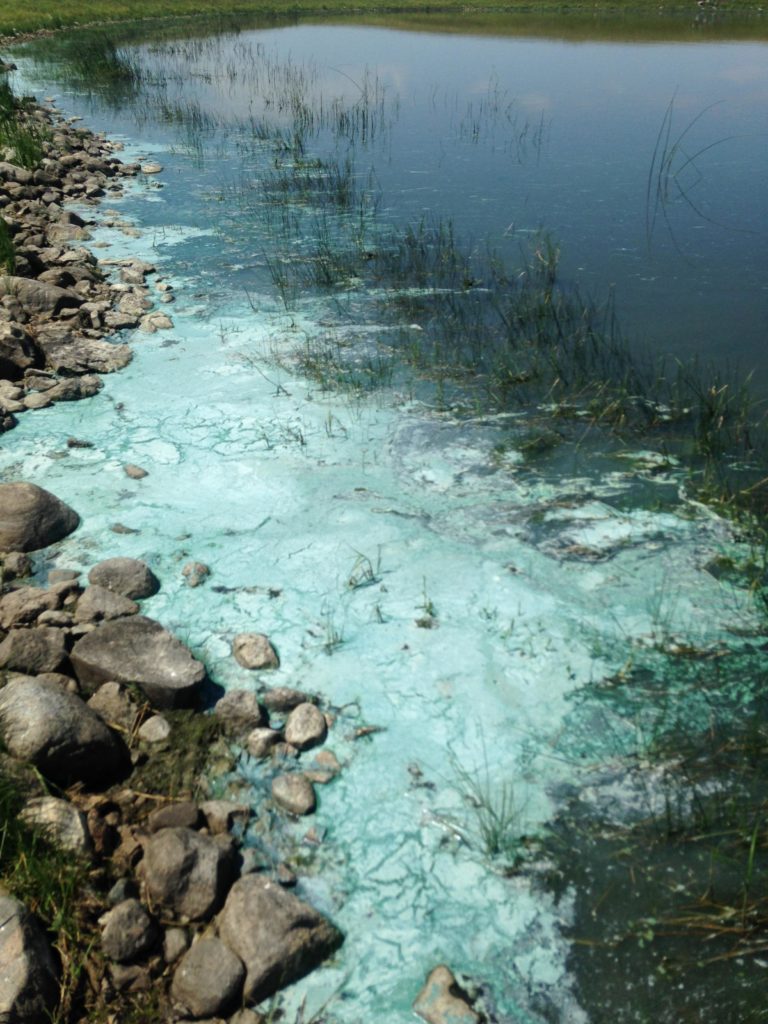
Blue-green algae can take many different forms. Watch for water that looks like grass clippings floating on the surface, clumps or puffballs, or green cottage cheese. Affected water may also resemble spilled green paint or pea soup and is often bright green or turquoise in color.
“By learning what these blooms look like and reporting them immediately, residents play a vital role in protecting their families, their pets, and their communities,” said DEQ Environmental Scientist Brian Houle.
Avoid it.
- Check water before you go. DEQ posts updates from May 1 to December 31 at
www.tinyurl.com/WMP-HABS. - Avoid swimming in or drinking from water that may contain blue-green algae. Bring
fresh water for you and your pets. - If you or your pet accidentally swim in water that might have an algal bloom, rinse off with fresh water as soon as possible.
Report it.
Enjoy a safe recreation season. When in doubt, stay out!
910670716
Mozilla/5.0 (Windows NT 10.0; Win64; x64) AppleWebKit/537.36 (KHTML, like Gecko) Chrome/143.0.0.0 Safari/537.36
4a1cecfea2b5164d793550ce67243169fb91f3e7
1