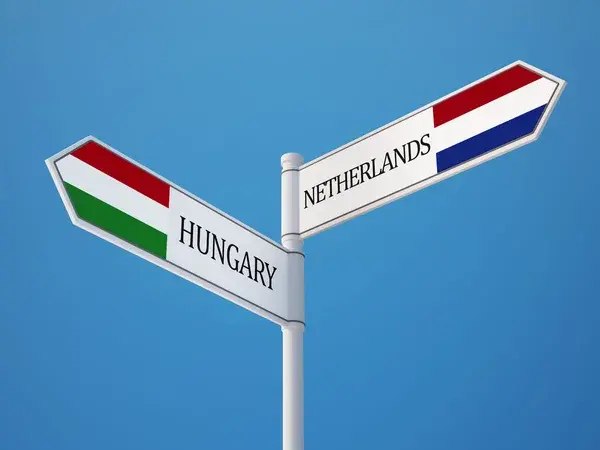
Few European relationships demonstrate intertwined destinies as clearly as the centuries-old connection between Hungary and the Netherlands. Although separated by geography, the two nations repeatedly found themselves linked through faith, political struggle, education and humanitarian solidarity. From the Protestant resistance against the Habsburgs to the rescue of Hungarian galley slave preachers and the Dutch response to the 1956 Revolution, history brought the two countries together in remarkable ways.
When the Dutch stood beside Hungarian Protestants
One of the strongest foundations of Hungary–Netherlands historical ties was the close relationship between Protestant communities. During the 16th and 17th centuries, the Habsburg Empire intensified its Counter-Reformation policies in Hungary, targeting Protestant churches and religious leaders.
The persecution of Hungarian Protestants quickly became an international issue. The Dutch, whose own national identity had been deeply shaped by the struggle for religious freedom, strongly sympathised with the Hungarian cause. Dutch Protestant communities supported Hungarian students, pastors and intellectuals, while many Hungarian scholars travelled to Dutch universities such as Leiden and Utrecht.
These academic and religious exchanges created a lasting bond between the two nations and helped establish a mutual respect that survived for centuries.
The rescue of the Hungarian galley slave preachers
Perhaps the most famous chapter in Hungary–Netherlands historical ties is the story of the Hungarian galley slave preachers. In 1674, dozens of Hungarian Protestant ministers were falsely accused of treason and condemned to forced labour on Spanish galleys in Naples.
The aim was clear: to crush Protestant resistance and intimidate religious communities across Hungary. However, news of the brutal treatment soon spread throughout Western Europe and sparked outrage among Dutch Protestants.
The turning point came in 1676, when legendary Dutch admiral Michiel de Ruyter intervened and secured the release of the Hungarian prisoners.
The statue of Michiel de Ruyter. The rescue became one of the most powerful symbols of Dutch–Hungarian solidarity. Photo: depositphotos.com
Even today, memorials and commemorations in both Hungary and the Netherlands honour this extraordinary act of international support and religious compassion.
Dutch support after the 1956 Hungarian Revolution
Hungary–Netherlands historical ties gained new significance during the 20th century. Following the crushing of the 1956 Hungarian Revolution by Soviet forces, tens of thousands of Hungarians fled the country. Many eventually found refuge in the Netherlands.
Dutch society reacted with remarkable empathy. Universities offered scholarships to Hungarian students, charities organised donation campaigns, and families opened their homes to refugees arriving from Hungary.
The Netherlands provided not only political support but also practical humanitarian assistance during one of the most traumatic periods in modern Hungarian history.
Many Hungarian refugees later became respected members of Dutch academic, cultural and economic life, strengthening the connection between the two countries even further.
Leiden, Debrecen and centuries of academic exchange
Hungary–Netherlands historical ties were not built solely on political events or religious struggles. Academic and cultural cooperation also played a crucial role.
For centuries, Hungarian students studied at Dutch universities, especially at Leiden University, one of Europe’s most important Protestant intellectual centres. Dutch institutions influenced Hungarian theology, education and scientific thinking, particularly through their close relationship with the Reformed College of Debrecen.
These connections helped shape generations of Hungarian intellectuals and created a cultural bridge that still exists today through university partnerships, historical commemorations and cultural exchange programmes.
When history intertwined beyond borders
The story of Hungary–Netherlands historical ties is ultimately a story about European solidarity. The Protestant struggles against the Habsburgs, the rescue of the galley slave preachers and the Dutch support after 1956 all demonstrate that the relationship between the two nations was built on shared principles rather than political convenience.
Over the centuries, Hungarians and the Dutch developed a unique sense of mutual respect and understanding. Their shared history remains an important reminder that even during Europe’s most difficult periods, international solidarity and humanity could overcome borders and political divisions.
If you missed it: Direct flights between Budapest and the US resume after 6 years